

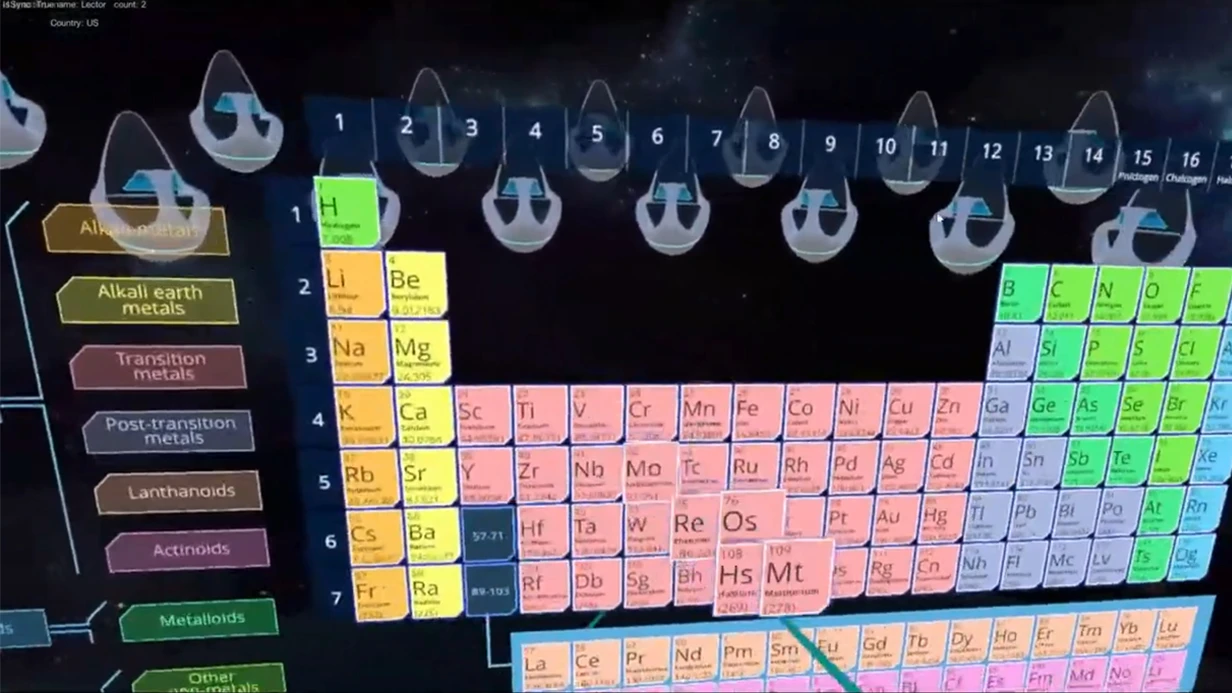


מדוע הכשרה מקצועית של עובדים דורשת פתרונות VR
הכשרה מסורתית מסתמכת לעתים קרובות על תיאוריה, תדריכים ומבחני ידע. אך דווקא ברגע העבודה האמיתית העובד מתגלה כלא מוכן לפעול במהירות וללא טעויות — במיוחד במצב חריג או מלחיץ.
טעויות של כוח אדם עולות ביוקר: החמצת מועדים, חומרים מקולקלים, לקוחות לא מרוצים, ובתעשיות מסוימות אפילו סיכונים לבטיחות אנשים.
זה מוביל לשתי בעיות מערכתיות שאיתן מתמודדים עסקים. הראשונה היא יעילות נמוכה של ההכשרה: כמה שבועות לאחר הקורס, נשאר רק חלק קטן מהידע.
השנייה היא תחלופת עובדים, שמאלצת חברות לקלוט עובדים חדשים כל הזמן ולשאת בעלויות הכשרה שוב ושוב. זה הופך למעגל קסמים: ההכשרה כבר צורכת משאבים אך אינה מביאה תוצאה נראית לעין.
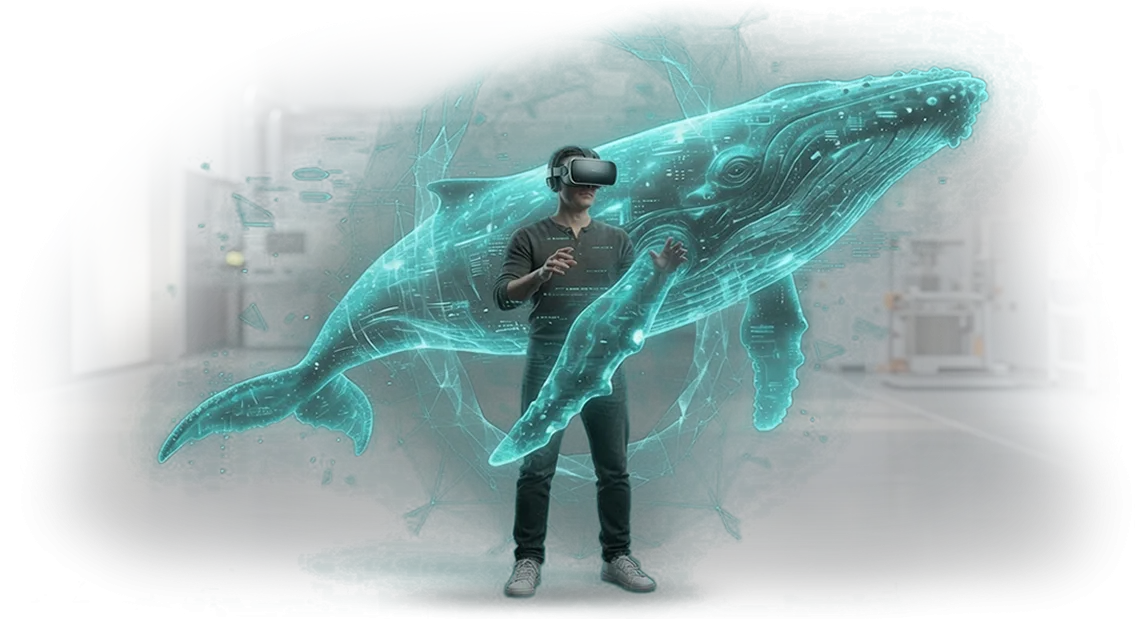
פתרונות VR משנים את כל הגישה להכשרה מקצועית. העובד שקוע בתרחיש המדמה את זרימת העבודה בפועל ומתאמן על סימולטור שבו טעות אינה גורמת להפסדים.
הם יכולים לחזור על פעולות מורכבות פעמים רבות עד שהמיומנות הופכת לאוטומטית. בינתיים, ההכשרה מתרחשת בסביבה בטוחה אך עם תחושת נוכחות מלאה — המוח זוכר את הפעולה בדיוק כאילו הייתה אמיתית.
מה זה נותן למנהל? זמן קליטה קצר יותר, פחות טעויות בעבודה, ואיכות יציבה גם עם תחלופת עובדים גבוהה.
הכשרה מקצועית מבוססת VR מאפשרת לתרגל תרחישים נדירים וחירום שלא ניתן לשחזר בהכשרה רגילה ללא סיכון ועלויות גבוהות. כתוצאה מכך, החברה מקבלת כוח אדם שמקבל החלטות מהר יותר ותלוי פחות במומחיות של המנטור.
אנחנו עוזרים לעסקים ליישם פתרונות כאלה המותאמים לצרכים הספציפיים של מחלקה נתונה.
אנחנו מעבירים תהליכי עבודה אמיתיים לסביבה הווירטואלית, תוך שמירה על התרחישים וקריטריוני ההערכה שלהם, כך שההכשרה תהיה קרובה ככל האפשר לפרקטיקה וניתנת למדידה.
כך נראית למידה מודרנית — היא פועלת למען תוצאות עסקיות של החברה ולא רק מאשרת שהעובד סיים קורס.
אילו תוצאות אפליקציות VR/AR/MR מביאות לעסק שלך
אפליקציות VR/AR/MR הופכות הכשרה מצפייה פסיבית לתרגול פעיל. העובד לא רק מקשיב לתיאוריה; הוא נכנס לסביבה שבה נדרשות החלטות ופעולות — זה שומר על תשומת הלב ומגביר משמעותית את המעורבות בתהליך.
הודות לשקיעה ואינטראקטיביות, ההכשרה מהירה פי כמה: המיומנות מתורגלת עד כדי אוטומציה על הסימולטור ולא על מתקן אמיתי.
זה משפיע ישירות על המהירות שבה העובד מגיע לרמות ביצוע יעד ועל רמת המיומנות הכוללת של הצוות.
יתרון חשוב הוא שימור ידע. הפורמט האימרסיבי מפעיל זיכרון שרירי ורגשי, כך שהנלמד אינו דוהה תוך שבוע.
חודש לאחר מכן, העובד זוכר את האלגוריתמים המרכזיים ופועל בביטחון רב יותר מאשר לאחר תדריך רגיל.
לבסוף, הכשרת VR מפחיתה הוצאות: אין חומרים מתכלים, אין השכרת מתקן הכשרה, ואין נסיעות של מדריכים. אותו תרחיש יכול לרוץ עבור מספר בלתי מוגבל של עובדים, בעוד שאיכות ההכשרה נשארת גבוהה באופן עקבי והעלות של כל ריצה יורדת.
בסופו של דבר, אתה מקבל צוות מיומן יותר, זמן קצר יותר עד לפרודוקטיביות, ועלויות הכשרה צפויות. אנחנו נעזור לך לבחור תרחיש למשימה שלך ולשלב אותו בזרימת העבודה שלך.
פורמטים של אפליקציות VR/AR/MR להכשרה מקצועית
בחירת הפורמט הנכון אינה פרט טכני אלא דרך לפתור משימת הכשרה ספציפית. חלקם זקוקים לשקיעה מלאה בתרחיש חירום, אחרים לניווט שלב-אחר-שלב באתר אמיתי, ואחרים לשילוב של ציוד פיזי עם הנחיה דיגיטלית.
פורמט שנבחר כראוי מקצר את הזמן שלוקח לעובד להגיע לרמה הנדרשת ומוריד את עלות הטעויות במהלך ההכשרה.
| פורמט | למי | מה הוא נותן ללקוח |
|---|---|---|
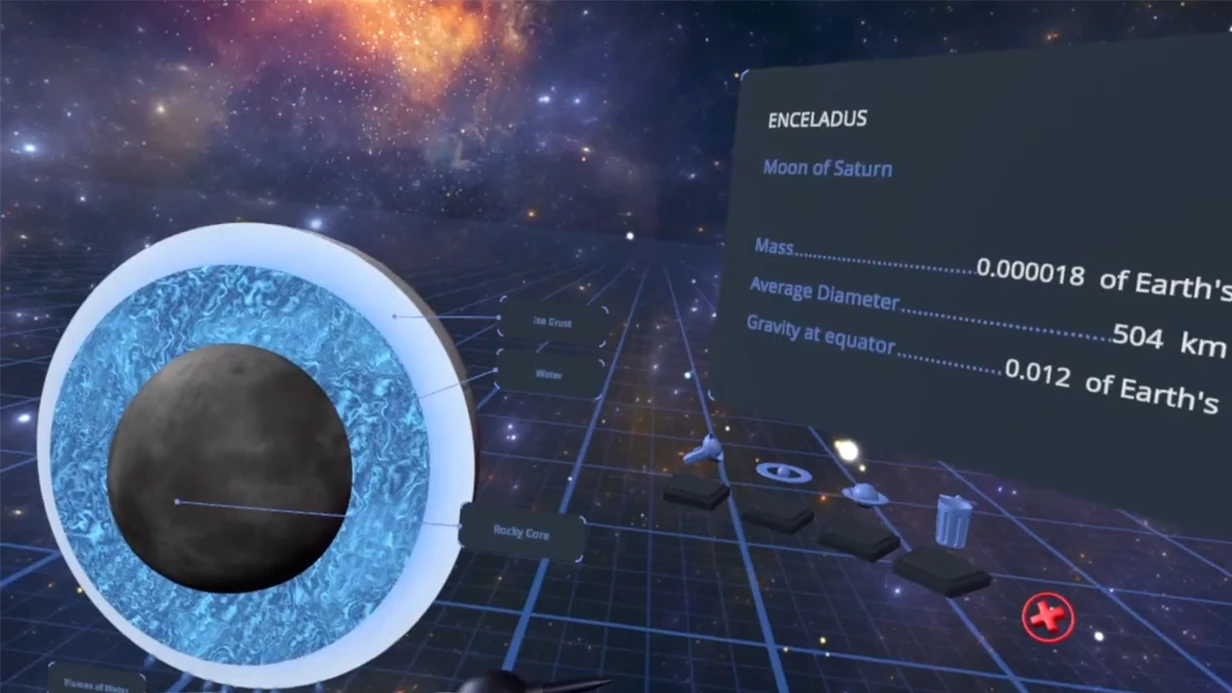
| סימולטורים וירטואליים (VR) | מומחים בתעשיות מסוכנות, מפעילי מכונות מורכבות | תרגול תרחישים נדירים וחירום ללא סיכון לאנשים או לציוד. טעות בסימולטור אינה עולה דבר, בעוד המיומנות מתגבשת כמו בתרגול אמיתי |
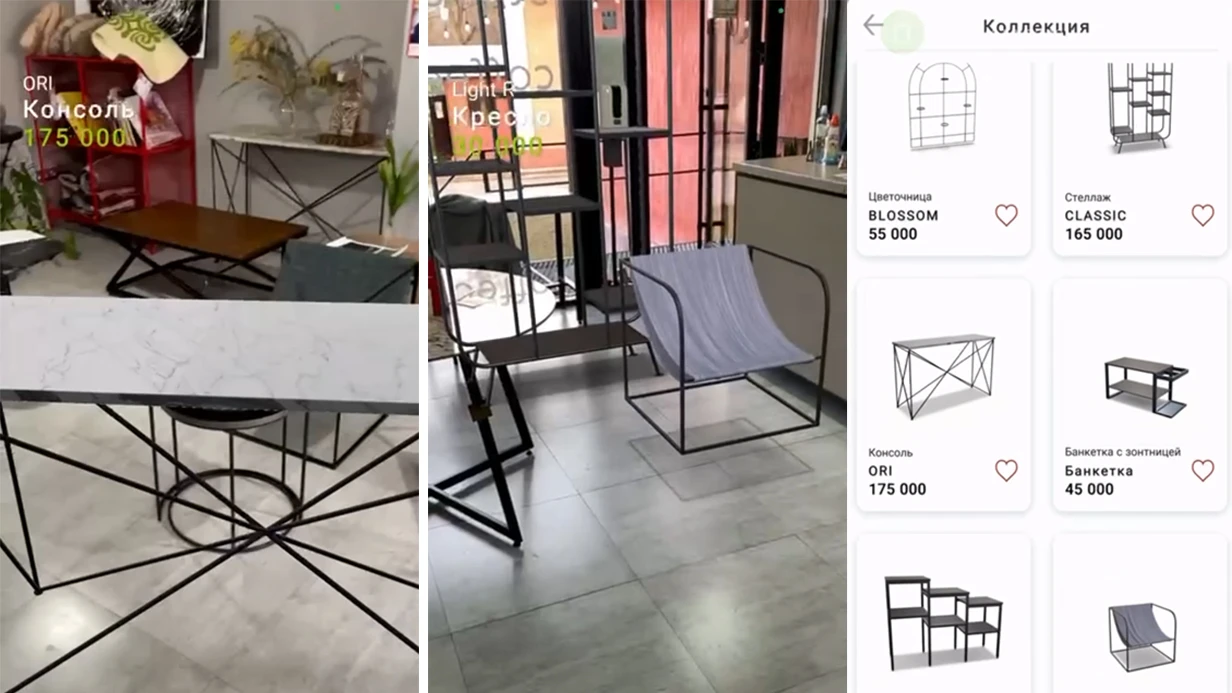
| הוראות AR | מהנדסי שירות, מרכיבים, צוותי תחזוקה | רמזים שלב-אחר-שלב ישירות מעל אזור העבודה. עובד חדש מבצע את הפעולה ללא מנטור ועם פחות טעויות, ומגיע מהר יותר לפרודוקטיביות מתוכננת |
| מציאות מעורבת (MR) | צוותים העובדים עם חפצים פיזיים ונתונים בו-זמנית | הכשרה על ציוד אמיתי עם הערות וירטואליות ותמיכת מומחים מרחוק. עובדים מתאמנים בתנאים קרובים ככל האפשר לפעולות אמיתיות |
החלוקה הזו מכסה את כל שרשרת ההכשרה: מקליטה ראשונית ועד הסמכה תקופתית ועבודה עם מצבים לא סטנדרטיים.
אם המשימה דורשת שילוב של גישות, אנחנו בונים תרחישים היברידיים — למשל, סימולטור VR לתרגול פעולות, ולאחר מכן פורמט AR לבקרה באתר אמיתי.
כל פורמט מפותח עבור מקצוע ספציפי ונבדק עם משתמשים אמיתיים, כך שעובדים לא רק "מתוודעים" לטכנולוגיה אלא באמת מתחילים לבצע את עבודתם מהר יותר ובביטחון רב יותר.
איך עובד פיתוח פתרון VR/AR למשימה שלך
כל פרויקט מתחיל בשקיעה במשימה שלך. אנחנו לא מציעים פתרונות מוכנים; קודם כל אנחנו מנתחים היכן בדיוק ההכשרה מאבדת יעילות וכיצד VR/AR יכול לתקן זאת.
לכן התהליך בנוי כך שאתה מבין מה קורה בכל שלב, שולט בתקציב, ורואה תוצאות ביניים.
-
בריף וניתוח משימה. אנחנו מקיימים ראיונות איתך ועם המשתמשים העתידיים של הסימולטור. אנו לוכדים מטרות הכשרה, תרחישים מורכבים וקריטריוני הערכה. התוצאה היא מסמך המתאר את המשימות, התוצאות הצפויות ולוחות הזמנים. אתה מבין בעד מה אתה משלם ומה תקבל.
-
אישור אב-טיפוס. אנחנו מציגים מודל אינטראקטיבי של הסימולטור העתידי: תרחישים, לוגיקה וממשק. אתה רואה כיצד עובד ייצור אינטראקציה עם המערכת ויכול לבצע עריכות לפני תחילת הייצור. זה מסיר את הסיכון לעבודות חוזרות בשלבים מאוחרים יותר.
-
עיצוב ותרחישים. אנחנו מפתחים את הסביבה הווירטואלית: סביבה, הוראות, רמזים והערכת פעולות. הסימולטור הופך לאינטואיטיבי גם עבור אלה שמעולם לא עבדו ב-VR. אנחנו מתמקדים בריאליזם של מצבים, לא באפקטים מיוחדים.
-
פיתוח ותוכן. אנחנו בונים את הפתרון על ציוד מקצועי ומתאימים אותו ליכולות ולפורמטים שלך. במקביל, אנחנו ממלאים את התרחישים בחומרי למידה: הוראות, מבחנים ורמזי למידה. אתה מקבל מוצר שלם ולא אוסף של מודולים מפוזרים.
-
בדיקה עם הצוות שלך. אנחנו מריצים פיילוט עם קבוצה אמיתית של עובדים. אנחנו אוספים משוב, בודקים שימושיות ומתקנים נקודות מסובכות. המומחים שלך משתתפים בקבלה — ההחלטה היא שלך.
-
השקה ותמיכה. אנחנו מיישמים את הפתרון, מאמנים מנהלים ומוסרים הוראות. אנחנו נשארים בקשר: אנחנו עוזרים בעדכונים, משכללים תרחישים ומוסיפים חומרים חדשים. אתה לא נשאר לבד מול הטכנולוגיה.
בכל שלב, אנחנו מספקים דוחות קצרים ומדגימים תוצאות. זה מאפשר לך לראות התקדמות, לקבל החלטות בזמן, ולקבל סימולטור שבאמת מלמד עובדים ולא רק "מסתובב" במציאות וירטואלית.
מה כלול במסירה של אפליקציית VR/AR
כשאתה מזמין פיתוח, אתה מקבל לא רק אפליקציה עובדת אלא כלי מוכן שנשאר נכס שלך. אנחנו מוסרים סט שלם של חומרים כדי שתוכל להפעיל, לשכלל ולהרחיב את הפתרון באופן עצמאי — ללא תלות בקבלן או בתשלומים נסתרים. להלן בדיוק מה שכלול במסירה ומצוין בחוזה.
- קוד מקור וכל משאבי הפרויקט — מודלים, הגדרות סצנה, סקריפטים. אתה הופך לבעלים המלא של הפתרון.
- תיעוד טכני — תיאור ארכיטקטורה, הוראות התקנה, הגדרה ועדכון של המערכת.
- הוראות משתמש — מדריכים ברורים למדריכים ולעובדים שעובדים עם האפליקציה על בסיס יומיומי.
- הכשרת מנהלים — מפגש מעשי בניהול המערכת, הוספת תרגילים חדשים וטיפול בתרחישים טיפוסיים.
- תמיכת אחריות ותוכנית תחזוקה — לתקופה מוסכמת לאחר ההשקה ובאופציה גם מעבר לכך.
- סרטוני הדרכה ותבניות משימות — כדי להשיק הכשרה במהירות ללא מעורבות מפתח.
חבילה זו מטפלת בסיכון המרכזי של כל עסק — תלות בספק ספציפי. אתה מקבל פתרון שניתן לפתח על ידי הצוות שלך ובמידת הצורך למסור לחברה אחרת או לשלב עם מערכות פנימיות.
אנחנו לא משאירים אותך לבד עם המוצר: העברת ידע ותיעוד הם תמיד חלק מהעסקה.
מקרה בוחן: כיצד סימולטור VR קיצר את זמן הכשרת העובדים
עבור רשת תחנות הדלק הגדולה Energia, הכשרת מפעילים חדשים הייתה נושא דחוף. כל עובד נאלץ לתרגל מיומנויות במתקן פעיל: הלמידה הייתה צריכה להתבצע על ציוד אמיתי תחת פיקוח של מנטור מנוסה.
זה האט את המעבר של חדשים לעבודה עצמאית והגדיל את העומס על הצוות הבכיר.
הצענו להחליף חלק מהתרגול בסימולטור VR. תכנתנו את כל המצבים הלא סטנדרטיים בסביבה הווירטואלית — מתדלוק רכב ועד כיבוי חירום של מסוף — ותרגלנו אותם ללא סיכון ללקוחות או לציוד.
לאחר היישום, זמן ההכשרה הכולל קוצר ב-30%: המפעיל מגיע לאתר אמיתי כבר מוכן, והטעויות בימי העבודה הראשונים צנחו בחצי.
תוצאות היישום
היתרון המרכזי הוא מהירות ויכולת חיזוי. החברה כבר לא תלויה בזמינות של מנטור פנוי: עובד חדש יכול להתחיל הכשרה בכל יום, במקביל לתיאוריה.
האפקט הכלכלי מגיע משלושה חלקים: זמן קצר יותר עד למוכנות למשמרת, פחות ליקויים ועבודות חוזרות, ותקן הכשרה יציב לכל הסניפים.
הניסיון שנצבר נתן למדריך "טיוטה" וירטואלית של תוכנית ההכשרה — כעת שכלול התוכנית אורך שבועות במקום חודשים.
כעבור שישה חודשים, הלקוח חזר אלינו לסימולטור למחלקה שנייה, מה שמאשר שהתוצאה נראית לא רק בדוחות אלא גם במדדים תפעוליים.
כיצד לבחור את פורמט ה-VR/AR הנכון למשימה שלך
פורמט ה-VR/AR הנכון נקבע לא לפי "טרנדיות" אלא לפי משימת ההכשרה הספציפית והתנאים שבהם העובדים עובדים.
אם אתה צריך לתרגל פעולות במצבים מסוכנים או נדירים, שקיעה מלאה בסימולציית VR מציעה תרגול בטוח עם תחושת נוכחות.
אם העובדים שלך עובדים על ציוד אמיתי וצריכים רמזים "עכשיו", מציאות רבודה עם הוראות שלב-אחר-שלב נוחה יותר וזולה יותר ליישום.
השלב הראשון הוא לקבוע איזו מיומנות צריך לפתח ובאיזו תדירות העובדים ישתמשו בפתרון. להכשרה המונית וחזרה על אלגוריתמים, מתאים סימולטור וירטואלי שעובד על טאבלטים או מחשבים.
לתרגול אינטראקציה עם חפצים פיזיים, מציאות מעורבת המשלבת אלמנטים דיגיטליים עם הסביבה האמיתית היא התשובה. גם התקציב וגם לוח הזמנים של ההשקה תלויים בכך.
אנחנו עוזרים לך לבחור את הפורמט לפני תחילת הפיתוח: אנחנו מנתחים את המשימה שלך, מספר הלומדים, החומרה הזמינה ורמת הריאליזם הרצויה.
בהתבסס על זה, אנחנו מציעים את האפשרות האופטימלית — ללא תשלום יתר על טכנולוגיה מיותרת וללא פגיעה ביעילות ההכשרה. הייעוץ אורך יום עסקים אחד ונותן תמונה ברורה של הפתרון הנכון.
העיקרון המרכזי פשוט: משימה עסקית קודם, טכנולוגיה שנייה. לכן הפורטפוליו שלנו כולל גם הוראות AR קלות לקליטה מהירה של חדשים וגם סימולטורי VR לתרגול תרחישים ניהוליים וייצוריים.
אנחנו תמיד מתחילים בבחירת פתרון VR בשאלות על הפרטים שלך, לא בהצגת מוצר מוכן.
השאר פנייה — ננתח את המצב שלך, נמליץ על פורמט וניתן לך תקציב ראשוני. כך אתה חוסך זמן ומקבל פתרון שבהחלט ישתלם דרך שיפור כשירות העובדים.
שאלות נפוצות על יישום אפליקציות VR/AR
יישום VR/AR בהכשרה מקצועית מעלה שאלות רבות אצל מנהלים: כיצד זה ישפיע על תהליכים נוכחיים, כמה זמן ייקח, ומתי יופיעו תוצאות? אספנו תשובות לחששות הנפוצים ביותר כדי שתוכל לקבל החלטה מושכלת. אם השאלה שלך לא ברשימה, פשוט כתוב לנו ונספר לך יותר.
האם קשה לשלב VR בתוכניות הכשרה קיימות?
אנחנו יוצרים מודול VR שעובד לצד המערכת הנוכחית שלך מבלי לשבש אותה. אנחנו מתחילים עם קבוצת פיילוט כדי שתוכל לראות את האפקט בפועל, ורק אז מרחיבים את הפתרון. כך אתה שומר על שליטה מלאה בכל שלב.
העובדים לא בקיאים בטכנולוגיה — האם זו תהיה בעיה?
סימולטורי VR מתוכננים עם ממשק אינטואיטיבי ורמזים בתוך התרחיש. מפגש היכרות קצר מספיק כדי להתחיל. רוב המשתתפים עובדים בביטחון כבר מהריצה השנייה, ללא קשר לניסיון הקודם שלהם.
עד כמה VR בטוח לאנשים ולנתונים ארגוניים?
אנחנו משתמשים רק בציוד מקצועי מוכח, והתרחישים אינם דורשים תנועות פתאומיות. כל הנתונים נשארים בצד שלך, וכל מודול מגיע עם הוראות עבודה בטוחה. יש לך שליטה מלאה על התהליך.
מתי ההשקעה באפליקציית VR תשתלם?
זמן הכנת העובדים מתקצר, העלויות עבור חומרים ומדריכים יורדות, ומעורבות המשתתפים גדלה. האפקט נראה כבר אחרי הקבוצות הראשונות: למידה מהירה יותר ושימור חומר טוב יותר. זה מוריד ישירות את עלות הכשרת כל מומחה.
קבל ייעוץ על פתרונות VR/AR לעסק
כדי להזמין פיתוח VR, אתה לא צריך להבין בטכנולוגיה. פשוט השאר פנייה — ננתח את המשימה שלך, נציע תרחיש ונחשב את העלות לתקציב שלך. הייעוץ הראשון אינו מחייב.
כיצד נארגן את העבודה:
- פנייה. אתה מתאר את המשימה שלך בכמה מילים.
- בריף. אנחנו מבהירים מטרות הכשרה, מספר עובדים ולוחות זמנים.
- ניתוח. אנחנו בוחרים את הפורמט והתרחיש לתעשייה שלך.
- חישוב עלות. אנחנו מכינים הצעה מסחרית ברורה.
- פיילוט. אנחנו בונים אב-טיפוס ומראים את התוצאה.
- פיתוח והשקה. אנחנו מיישמים את הפתרון ומאמנים את הצוות.
מה אתה מקבל מהייעוץ:
- תוכנית ברורה ליישום פתרון VR/AR למשימה שלך.
- הערכות עלות ולוחות זמנים ללא תנאים נסתרים.
- תשובות לשאלות על ציוד, הכשרה והחזר השקעה.
- דוגמאות לפרויקטים מהתעשייה שלך.
- המלצות להשקת פיילוט.
- השלב הבא — אב-טיפוס המותאם למשימה שלך.
השאר פנייה לייעוץ — נגיב תוך יום עסקים אחד. אין מצגות מופשטות: תקבל מספרים ספציפיים, לוחות זמנים והמלצות. אתה יכול לחשב את העלות כבר עכשיו — מלא את הטופס וניצור איתך קשר.