



ייצור חקלאי סובל מהפסדים עקב תהליכים לא יעילים
החקלאות היא ענף שבו מחיר הטעות נמדד ביבול, לא בקנסות על דוח שגוי. גישות מיושנות להכשרת אגרונומים ולניהול שדות מובילות להפסדים שמובנים בעלות הייצור ופוגעים ברווחיות. בינתיים, רוב ההחלטות עדיין מתקבלות על סמך אינטואיציה ולא על סמך תרחישים מוכחים.
הבעיה חריפה במיוחד בהכשרת כוח אדם.
אגרונום מתחיל מקבל תיאוריה בכיתה, והביקור הראשון בשדה הופך לבחינה עם סיכונים אמיתיים: שלב גידול שהוערך באופן שגוי, מזיק שהוחמץ, שגיאה בתוכנית הדישון — והפסדי היבול הופכים לעובדה.
מנטורים מנוסים עמוסים בעבודה, העונתיות מונעת הכשרה לאורך כל השנה, ומחיר כל טעות גדל עם היקף החווה.
הדיגיטציה של המגזר החקלאי פותרת חלקית את בעיית איסוף הנתונים — חיישנים, תמונות לוויין, מערכות הנהלת חשבונות. אבל נתונים חסרי ערך אם המומחה לא יודע לפרש אותם ולפעול במצב לא סטנדרטי.
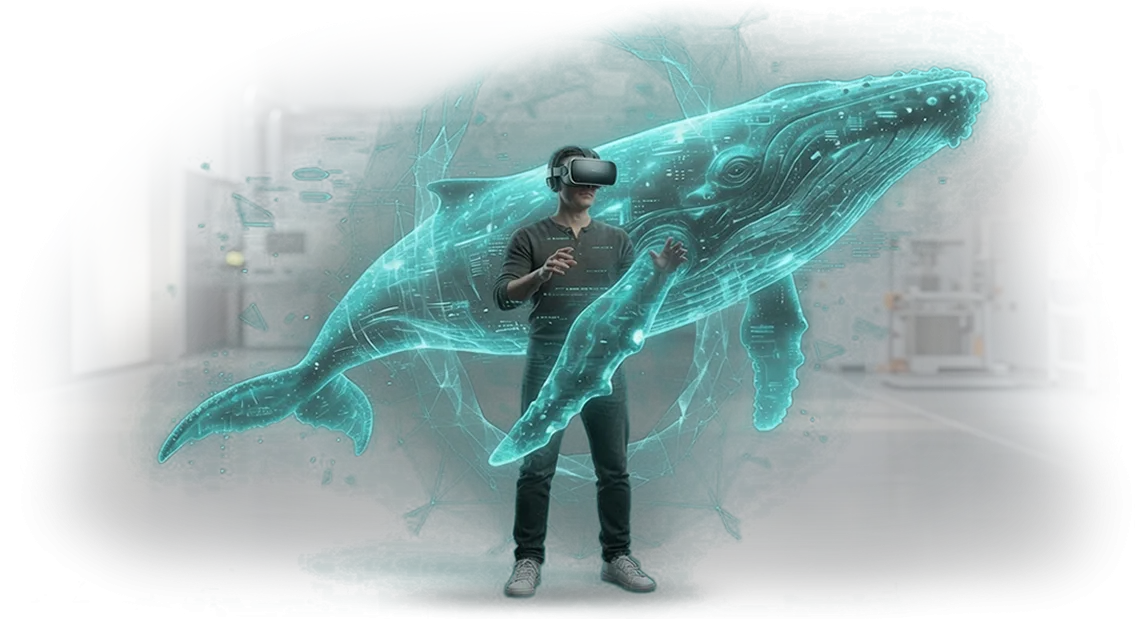
כאן נכנס ה-VR בחקלאות: סימולציות וירטואליות מאפשרות לאגרונום לתרגל תרחישים מורכבים — מהערכת שתילים ועד התמודדות עם בצורת — מבלי לסכן את היבול האמיתי.
אנחנו בונים פתרונות כאלה. אנו מפתחים סימולטורי VR וכלים דיגיטליים שהופכים את הניסיון המצטבר של החווה לתוכניות הכשרה.
כתוצאה מכך, אגרונומים מגיעים לביצועים אפקטיביים מהר יותר, ומנהלים מקבלים תהליכים צפויים במקום הפסדים שנגרמים מהגורם האנושי.
היתרונות של VR/AR/MR לעסק שלך
אנשים מחליטים על הקציר. בחקלאות, טעות של מפעיל היא הפסד שאי אפשר לתקן עד העונה הבאה: ליקויים בכיול ציוד, מינון דשן שגוי, צוות לא מיומן בקו המיון. הטמעת מציאות רבודה מכסה סיכונים אלה במקום שבו תדריכים מסורתיים חסרי אונים.
קיצור זמן ההכשרה הוא היתרון הראשון שתבחין בו בשבועות הראשונים. במקום התמחות של שבועיים עם מנטור, עובד חדש מתרגל פעולות בתרחיש וירטואלי תוך 2-3 ימים ומפעיל ציוד אמיתי עם כישורים בטוחים במקום ללמוד בדרך הקשה.
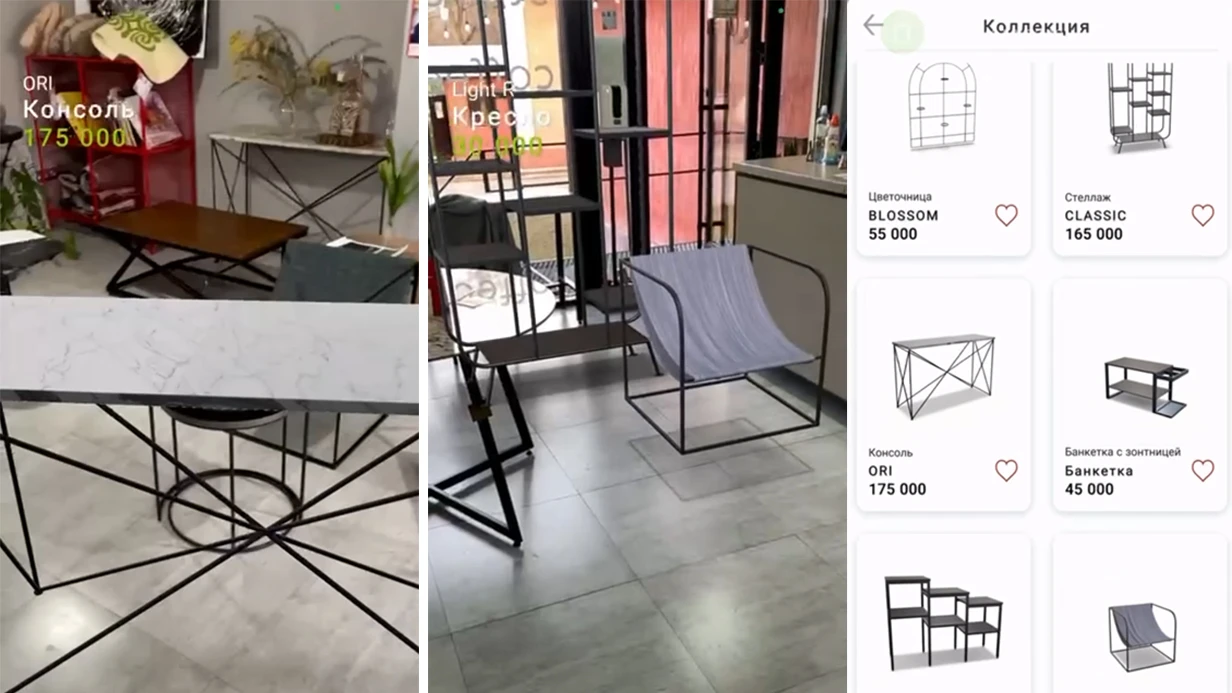
שיפור דיוק התפעול הוא היתרון השני, החשוב לא פחות. רמזי AR ישירות בשדה או באתר הייצור אומרים למפעיל את הפרמטרים האופטימליים בזמן אמת.
העובד מפסיק לעבוד "בערך", מה שאומר פחות בזבוז חומרי גלם ותוצאות עקביות יותר בכל שלב.
יבול גבוה יותר הוא התוצאה הטבעית של שתי הנקודות הראשונות. כשהצוות פועל מהר ומדויק יותר, ובקרת האיכות כבר לא תלויה בגורם האנושי, כל דונם וכל טון מוצר מייצרים יותר הכנסה. זו היעילות שמניעה עסקים לעבור לדיגיטציה.
אנחנו משלבים מומחיות בתעשייה עם ציוד VR/AR מקצועי ותרחישים מוכחים למגזר החקלאי. אלה לא צעצועי מעבדה אלא כלי עבודה שמחזירים את עצמם בעונה הראשונה.
ספר לנו על האתגר שלך — נראה לך בדיוק כיצד VR/AR/MR יקצצו עלויות ויחזקו את הייצור שלך.
פורמטים של פתרונות VR/AR/MR למשימות ייצור
הייצור צריך לא טכנולוגיה לשמה, אלא תוצאות מדידות: פחות השבתות, הכשרת צוות מהירה יותר ובטיחות גבוהה יותר. לכן אנו בוחרים פורמט ספציפי לכל משימה — ממודל תלת-ממדי פשוט ועד סימולטור מלא של מכונות חקלאיות.
| פורמט | לאיזו משימה הוא נועד | מה הוא נותן לייצור |
|---|---|---|
| מודלים תלת-ממדיים וסיורים וירטואליים | הצגת ציוד, קו או סדנה חדשים מבלי לעצור את הפעילות | אישור מהיר של החלטות, מצגות ברורות לשותפים ולמשקיעים |
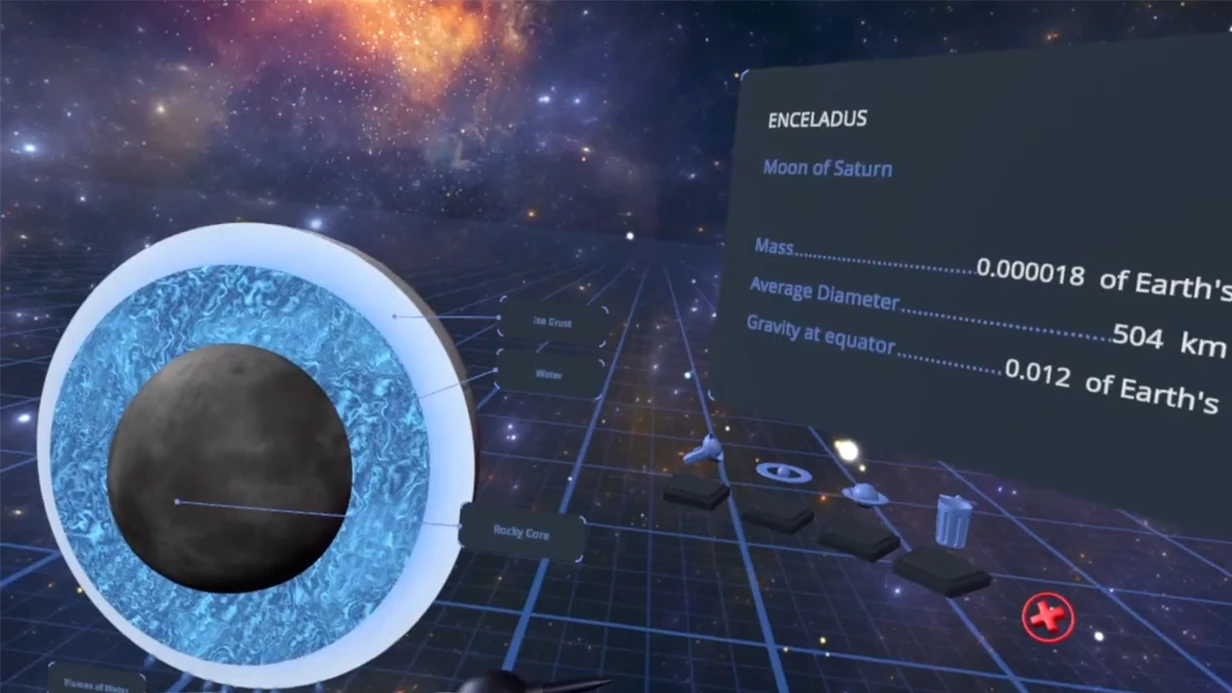
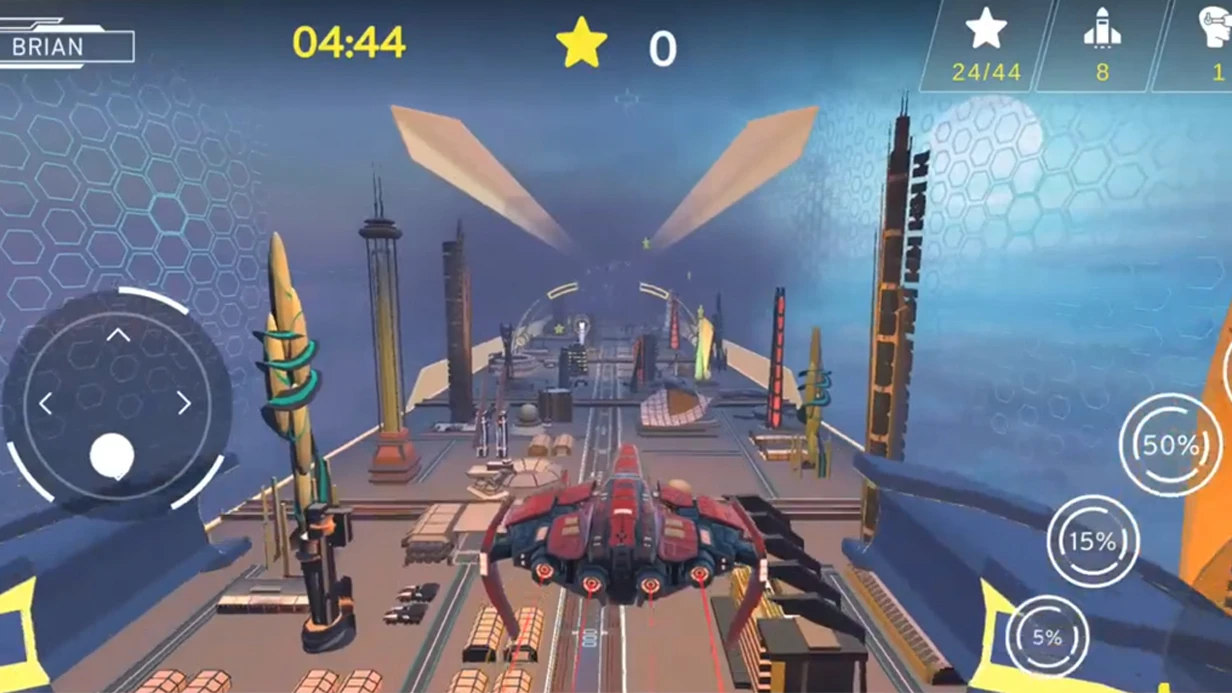
| סימולטורי VR למכונות חקלאיות | הכשרת מפעילי מכונות וציוד ללא סיכון לציוד | תרגול כישורים בכל זמן, ללא צריכת דלק, ללא תקלות |
| הוראות AR | תחזוקה ותיקון ציוד ישירות בשטח | הפחתת השבתות: העובד רואה רמזים המוצגים על גבי המכונה בפועל |
| פתרונות הקרנה | חדרי בקרה, כיתות הכשרה, אזורי הדגמה | תמונה משותפת לקבוצת מומחים ללא משקפי VR אישיים |
| מציאות מעורבת | תכנון שדות, לוגיסטיקה, בקרת איכות | הצגת נתונים על גבי המרחב האמיתי — חריגות נראות מיד |
פירוט זה מכסה את כל התרחישים החקלאיים האופייניים: מהיכרות ראשונית של העובד עם הציוד ועד להכשרה שוטפת על פעולות מורכבות.
הצוות שלנו בוחר את הפורמט לפי תקציב ולוחות זמנים: אפשר להתחיל בגרסת הדגמה קומפקטית ואז להרחיב אותה למתחם הכשרה מלא.
כתוצאה מכך, אתה מקבל לא "טכנולוגיה לשמה" אלא כלי עבודה שמשתלב בתהליכים קיימים ומחזיר את עצמו באמצעות עלויות נמוכות יותר לדלק, תיקונים והשבתות ציוד.
שלבי הטמעת VR/AR/MR בייצור חקלאי
הטמעת VR/AR/MR בייצור חקלאי אינה קנייה של "קופסה" אלא פרויקט בשלבים עם נקודות בקרה ברורות. אנו מבנים את העבודה כך שתראה תוצאה בכל שלב ותוכל להשפיע עליה. להלן הנתיב הסטנדרטי שרוב הלקוחות החקלאיים שלנו עוקבים אחריו.
-
בריף וסקירת תהליכים — אנו מתעדים את המשימה: הכשרת צוות, הדגמת ציוד, בקרת איכות או סיור וירטואלי במפעל. אנו לומדים את תהליכי הייצור שלך וקובעים היכן VR/AR יספקו אפקט מהיר.
-
קונספט ואישור פרויקט — אנו מציגים את תרחיש השימוש: כיצד עובד או לקוח יתקשרו עם הפתרון. אנו מסכמים על הפורמט, ההיקף וקריטריוני הקבלה כדי למנוע אי-הבנות בהתחלה.
-
תוכנית פיתוח עם שלבים — אנו מפרקים את הפרויקט לאיטרציות קצרות עם תאריכים ותחומי אחריות. אתה רואה את לוח הזמנים, מבין מה יהיה מוכן בעוד שבוע, חודש, רבעון, ושולט בהתקדמות פריסת ה-VR בייצור.
-
פיתוח הפתרון — אנו יוצרים אב-טיפוס, ולאחר מכן גרסה מלאה. בשלב זה אתה מקבל תוצאות ביניים — תרחישי בדיקה שניתן לבדוק על ציוד אמיתי או עם הנתונים שלך.
-
בדיקות והשקה פיילוט — אנו משיקים את הפתרון באזור מוגבל: בחדר הכשרה, מחסן או ביתן הדגמה. אנו מאמנים את הצוות שלך, אוספים משוב ומבצעים התאמות סופיות.
-
השקה מלאה ותמיכה — אנו מוסרים את הפתרון לתפעול, מקימים ערוצי עדכון ותמיכה טכנית. אנו נשארים בקשר לאחר ההשקה: עוזרים בשיפורים, מתאימים תרחישים למשימות חדשות ותומכים בייצור לאורך כל תקופת השימוש.
כל שלב מסתיים בתוצאה קונקרטית: מסמך, אב-טיפוס או גרסה עובדת. גישה זו כבר עזרה לחברות חקלאיות לצמצם את זמן הכשרת הצוות ולהציג מוצרים ללקוחות בבירור ללא עלויות נוספות עבור לוגיסטיקה ודוגמאות תצוגה.
מה כלול במסירת פרויקט VR/AR/MR
אנו מוסרים את הפרויקט כך שלא תהיה תלוי בקבלן באף שלב. חבילת המסירה כוללת את כל הדרוש להשקה, תפעול ופיתוח של פתרון ה-VR/AR עם הצוות שלך — מתיעוד ועד קוד מקור.
-
תיעוד עבודה — תיאור הארכיטקטורה, תרחישי השימוש וההגדרות. זהו מדריך ברור למומחים שלך, לא ספר עזר טכני למפתחים.
-
קוד מקור — קוד הפרויקט המלא ללא הגבלות. אתה יכול להעביר אותו לצוות אחר, לשנות אותו או להרחיב פונקציונליות למשימות חדשות ללא מעורבות שלנו.
-
גישה וחשבונות — כל שמות המשתמש, הסיסמאות והרשאות הניהול מועברים לצד שלך. אנחנו לא משאירים "קופסאות שחורות": יש לך שליטה מלאה במערכת.
-
הכשרת צוות — מפגשים מעשיים לעובדים שיעבדו עם כלי VR/AR. אגרונומים ומפעילים שולטים בממשק תוך כמה ימים במקום ללמוד תיעוד טכני.
-
הוראות ונהלים — מדריכים קצרים למשתמשי קצה: כיצד להתחיל תרחיש, מה לעשות במקרה של תקלה, כיצד לארגן את סביבת העבודה. מתאימים לקליטה מהירה של עובדים חדשים.
-
תוכנית תמיכה — בחודשים הראשונים לאחר ההשקה, אנו נשארים בקשר: מתקנים תקלות, עונים על שאלות ועוזרים בהתאמה.
אנו עורכים הכשרה על תרחישים אמיתיים מהייצור שלך: מסימולציה של הפעלת ציוד ועד לתרגול נהלי תגובה למצבי חירום.
כתוצאה מכך, עובדים משתמשים בכלי VR/AR כחלק משגרת העבודה שלהם, ויש לך את כל המשאבים לפתח את הפרויקט מבלי להיות קשור לספק ספציפי.
חבילה כזו מבטלת את הסיכון העיקרי של כל פרויקט דיגיטלי — תלות במפתח. אתה מקבל לא רק אפליקציה מוכנה אלא נכס שנשאר בחברה ומניע את צמיחת יעילות הייצור.
מקרה בוחן: כיצד סימולטור VR שיפר את היעילות של אחזקה חקלאית
האחזקה החקלאית "זלני קריי" התמודדה עם בעיה עונתית אופיינית: מאות עובדים זמניים במהלך הקציר עשו טעויות במיון ובטיפול בציוד — ההפסדים הגיעו עד לרבע מהיבול.
ההכשרה המקובלת ארכה שבועות, אבל עד תחילת הקציר, הכישורים נותרו לא אחידים. הצענו לפתח סימולטור VR לתרגול פעולות מפתח לפני היציאה לשטח.
במקום הרצאות ותדריכים, עובדים עברו תרחישים בעותק וירטואלי של אתר הייצור. הסימולטור בנוי על פלטפורמת WebVR, כך שהוא נגיש מכל מחשב נייד או טאבלט — אין צורך לקנות משקפי VR יקרים לכל עובד עונתי.
ההכשרה הפכה לקצרה ובטוחה: טעויות נעשו בסביבה וירטואלית, לא על קומביין אמיתי.
תוצאות היישום
בעונה הראשונה של שימוש בסימולטור, הפסדי הקציר ירדו ב-20%. ההשפעה העיקרית הגיעה מהעלאה מהירה של רמת הכישורים: עובדים חדשים הגיעו לפריון היעד פי שניים מהר יותר. גם מספר תקלות הציוד עקב הפעלה שגויה ירד.
ההנהלה של האחזקה קיבלה אנליטיקה ברורה עבור כל עובד — זמן השלמת תרחיש, מספר שגיאות, מוכנות לכניסה לשדה. זה אפשר לתכנן צוותים בצורה מדויקת יותר ולהימנע מהשבתות.
מיד לאחר התוצאות הראשונות, קיבלנו הזמנה חוזרת להרחיב את תוכנית ההכשרה לאזורים אחרים של החווה.
מקרה זה הוא דגל שלנו במגזר החקלאי. הוא מראה כיצד טכנולוגיות VR פותרות בעיות מעשיות: משפרות יעילות, מפחיתות הפסדים ומחזירות את ההשקעה במהירות. אם העסק שלך עוסק בייצור חקלאי, אנחנו יכולים להתאים את אותו תרחיש לתהליכים שלך.
כיצד לבחור את פורמט ה-VR/AR/MR המתאים למשימה שלך?
בחירת הפורמט מתחילה במשימה, לא בטכנולוגיה. אותו פרויקט להכשרת מפעילים, הצגת ציוד למשקיעים או ניטור בתחנת שדה דורש פתרונות שונים.
בייצור חקלאי, גורמי המפתח הם תנאי ההפעלה: היכן העובד עובד — בשדה, בחממה או במחסן — ומהי התוצאה המדידה הנדרשת: פחות שגיאות, קליטה מהירה יותר, דיווח ברור להנהלה.
VR מספק טבילה מלאה כאשר לא ניתן לשחזר את הסביבה האמיתית בבטחה: סימולציה של עבודה על קומביין, סיור וירטואלי בחווה לשותפים. AR עובד במרחב האמיתי ונוח להוראות ישירות על הציוד.
MR משלב את שתי הגישות כאשר צריך לעבוד בשיתוף פעולה עם מודל דיגיטלי של שדה או סדנה ולדון בשינויים מיד.
למפעלים חקלאיים יש דרישות ספציפיות: שמש חזקה, אבק, אות לא יציב בשטח, ועבודה עם כפפות.
לכן, בחירת פורמט אינה בחירה באפשרות "המודרנית יותר" אלא תהליך הנדסי ומתודולוגי שלוקח בחשבון מי ישתמש בפתרון ובאילו תנאים.
הפורמט הנכון מחזיר את עצמו במקום שבו פורמט לא מוצלח גורם לדחייה של הצוות כבר בשלב הפיילוט.
אנחנו עוזרים לך לבחור לא רק VR, AR או MR, אלא תרחיש שמתאים לתהליך הייצור שלך. לחלק מהמשימות, פתרונות VR מבוססי דפדפן מתאימים — ללא צורך בהתקנה.
אנחנו מתחילים בייעוץ: אתה מתאר את המשימות האופייניות של החווה שלך, ואנחנו מציעים פורמט לתנאים שלך.
כמה שאלות קצרות עכשיו יחסכו חודשי פיתוח — שינוי הפורמט לאחר ההתחלה הוא תמיד יקר יותר מבחירה נכונה שלו.
שאלות נפוצות על הטמעת VR/AR/MR
לפני הטמעת VR/AR/MR בייצור חקלאי, עולות שאלות על VR: האם זה בטוח, כיצד מוגנים נתונים, והאם זה תואם לציוד הנוכחי. אנו עונים על הנפוצות ביותר — בקצרה ולעניין.
האם בטוח לעבוד עם ציוד VR?
משקפי VR מודרניים אינם משפיעים על הראייה אם מקפידים על שגרת השימוש. אנו משלבים הפסקות כל 20–25 דקות, והקליטה של העובד אורכת לא יותר מ-10 דקות. לתנאי שטח, אנו משתמשים בדגמים מוגנים העמידים בפני אבק ותנודות טמפרטורה.
כיצד מוגנים נתוני החברה?
מידע על עובדים ותהליכי ייצור נשאר בתוך התחום שלך. אנו עובדים על השרתים שלך או בסביבת ענן סגורה, עם גישה המופרדת לפי תפקידים. נתונים מועברים בערוצים מאובטחים — צדדים שלישיים לא מקבלים גישה.
האם הטכנולוגיה תואמת לציוד שלנו?
לרמזי AR מספיק טאבלט או סמארטפון שכבר נמצאים בשימוש בחווה. להכשרת VR, נדרשת ערכה אחת לכל אתר — היא מתחברת לשקע חשמל רגיל. השילוב אינו דורש החלפת צי הציוד שלך ואינו משבש תהליכים קיימים.
מהם לוחות הזמנים וכיצד נוצר התקציב?
אנו מציגים את אב-הטיפוס הראשון 5–7 ימים לאחר הבריף כדי שתוכל לראות את התוצאה מיד. הפרויקט המלא אורך משבועיים עד שלושה חודשים בהתאם למספר התרחישים. הערכת העלות שקופה: מחושבת לפני ההתחלה, ללא תשלומים נסתרים. אתה משלם על הפחתת הפסדים והגדלת מהירות התפעול.
הזמן פיתוח VR/AR/MR לייצור שלך
השאר בקשה באתר — זה ייקח כמה דקות, ונחזור אליך מיד עם הערכת עלות לפרויקט.
בייצור חקלאי, VR ו-AR פותרים משימות עסקיות ספציפיות: מאיצים הכשרת צוות, מפחיתים השבתות ציוד ומשפרים את בטיחות העבודה. אנו מבינים את המאפיינים הייחודיים של המגזר החקלאי, ולכן אנו מציעים פתרון, לא "VR לשם VR" מופשט.
לוח הזמנים של העבודה נראה כך:
- אתה משאיר בקשה או מתקשר אלינו — ומספר לנו איזו משימה אתה רוצה לפתור.
- אנחנו מקיימים שיחה ומבהירים פרטים: מספר עובדים, תהליכים, האם הם כבר קיימים או רק בתכנון.
- אנחנו מכינים הערכת עלות ולוחות זמנים מפורטת — תוך 1–3 ימים לאחר הבריף.
- אנחנו מסכמים על פתרון הפרויקט וקובעים את הערכת העלות והתאריכים בחוזה.
- אנחנו מפתחים, בודקים ומשיקים את הפתרון — אתה מקבל כלי מוכן לתהליך שלך.
- לאחר ההשקה, אנחנו נשארים בקשר: מתקנים תקלות, משפרים ומאמנים את הצוות שלך.
מה אתה מקבל כבר מהשלב הראשון:
- הערכה ברורה ללא תנאים נסתרים — אתה יודע מראש מה זה עולה ומתי זה יהיה מוכן.
- התאמה לתהליך הייצור שלך, לא פתרון סטנדרטי.
- נקודת קשר אחת ודיווח שקוף בכל שלב.
- סודיות: נתונים על הייצור שלך לא יוצאים מהפרויקט.
- אחריות על העבודה שבוצעה ותמיכה טכנית לאחר ההשקה.
- היכולת להתחיל בפיילוט כדי לבדוק יעילות בקנה מידה קטן ואז להתרחב.
השאר בקשה בעמוד — ותוך כמה ימים תדע בדיוק כיצד VR/AR ישתרשו בחווה שלך ואילו תוצאות הם יביאו. הערכת העלות תוגש לאחר בחינת הבקשה.