



מחסן מאבד עד 30% מזמנו על פעולות שגרתיות: כיצד VR/AR פותר זאת
במחסן, כסף מסתתר בשניות. חיפוש SKU, בדיקת הזמנה, הכשרת עובד חדש — פעולות אלו צורכות עד שליש מזמן העבודה. כל טעות באיסוף גורמת להחזרות ולהחמצת משלוחים.
ההפסדים במחסן אינם מוגבלים לאיסוף איטי: הוסיפו לכך השבתת ציוד, עומס עבודה לא אחיד ומחסור עונתי בכוח אדם. כל אלה הופכים את הלוגיסטיקה הפנימית לצוואר בקבוק, ולקוחות מקבלים הזמנות מאוחר יותר ממה שהובטח.
מציאות מדומה סוגרת פערים ברמת התהליך: עובד מתאמן בסימולציה בטוחה ולומד מסלולים מהר יותר ללא סיכון לעבודה.
מציאות רבודה מסייעת בעבודה היומיומית. המפעיל רואה את מיקום המוצר המדויק ומסלול מודגש אליו על מסך או במשקפיים חכמים, כך שהוא כבר לא מבזבז דקות על חיפוש ובדיקה.
כתוצאה מכך, פעולות שגרתיות לוקחות פחות זמן, מספר טעויות האיסוף יורד, ועובדים מגיעים לפרודוקטיביות המתוכננת מהר יותר.
זו בעצם אופטימיזציה של מחסן: פחות זמן, פחות טעויות, התאקלמות מהירה יותר של עובדים. הטמעת VR/AR אינה דורשת שינוי תשתית — אזור פיילוט מספיק כדי לדיגיטציה של התוצאה ולהרחיב אותה.
אנחנו מתכננים פתרונות כאלה לצרכים של מחסן ספציפי: ממידת מדדים ועד השקה והכשרת צוות.
מה הטמעת מציאות רבודה ומדומה מביאה לעסק
עבור עסקים, אימוץ מציאות רבודה ומדומה אינו מחווה לאופנה, אלא כלי שמשפיע ישירות על היעילות. טכנולוגיות עוזרות להאיץ תהליכים, להפחית עלויות ולשפר את ביצועי העובדים. הנה רשימת בדיקה של היתרונות שתקבלו כבר בשלבים המוקדמים של ההטמעה:
- פעולות מחסן מהירות יותר. הוראות AR מוצגות על גבי עצמים אמיתיים: העובד רואה היכן לאסוף פריט והיכן להניח אותו, ללא צורך בבדיקת מסמכים. זה מקצר את זמן איסוף ההזמנות ומפחית את מספר הטעויות.
- הכשרה ללא עצירת העסק. סימולטורי VR מאפשרים לעובד חדש ללמוד הפעלת ציוד או מסלולים לוגיסטיים בסביבה בטוחה. הכשרת עובדים מתבצעת ללא סיכון של תקלות או פציעות, וחשוב מכך, ללא הפרעה למשימות התפעוליות.
- בקרת איכות בזמן אמת. עם AR, ניתן להשוות את מצב המחסן בפועל מול תקן: תיוג, רמות מלאי, מיקום מוצרים. חריגות נראות מיד, מה שמאיץ תיקונים ומונע הפסדים.
- פרודוקטיביות גבוהה יותר ללא גיוס עובדים חדשים. הודות לרמזים חזותיים ובדיקות אוטומטיות, עובד מבלה פחות זמן בשגרה ומספיק יותר במשמרת.
- חיסכון לטווח ארוך. פחות ליקויים, פחות השבתות, תחלופה נמוכה יותר — כל אלה מפחיתים עלויות תפעול ומחזירים את ההשקעה תוך מספר חודשים.
כל פריט ברשימת בדיקה זו הוא תוצאה מדידה. אבל כדי שזה יעבוד בתנאים שלכם, צריך לבחור את תרחיש ההטמעה הנכון. הצוות שלנו מנתח את התהליכים שלכם ומציע פתרונות AR/VR שמספקים את האפקט המרבי עבור המחסן הספציפי שלכם. צרו קשר — בואו ניקח את הצעד הראשון לקראת יעילות גבוהה יותר כבר עכשיו.
פורמטים של פיתוח VR/AR: בחרו את ההתאמה הנכונה למשימה שלכם
משימות עסקיות שונות דורשות גישות שונות למציאות מדומה ורבודה. זה דבר אחד להכשיר עובדים לעבודה במחסן, ודבר אחר להראות ללקוח מוצר שעדיין לא נמצא באולם התצוגה. הפורמט קובע את מהירות ההשקה, התקציב וכמה נוח יהיה הפתרון למשתמשים.
אנחנו נעזור לכם לבחור אפשרות למצב שלכם, לא נדחוף את היקר ביותר. להלן הפורמטים העיקריים של פיתוח והתרחישים שהם מטפלים בהם.
| פורמט | למי | מה זה נותן ללקוח |
|---|---|---|
| פתרון WebVR | חברות שצריכות השקה מהירה ללא התקנת אפליקציות | עובדים פותחים את התרחיש באמצעות קישור מכל מכשיר — מתאים להכשרות ומצגות ללא שלבים נוספים |
| סימולטור מחסן VR | מחלקות לוגיסטיקה, ייצור ובטיחות תעסוקתית | תרגול בטוח של מסלולים ופעולות — עובדים חדשים מגיעים לקצב עבודה מהר יותר, ותקריות פוחתות |
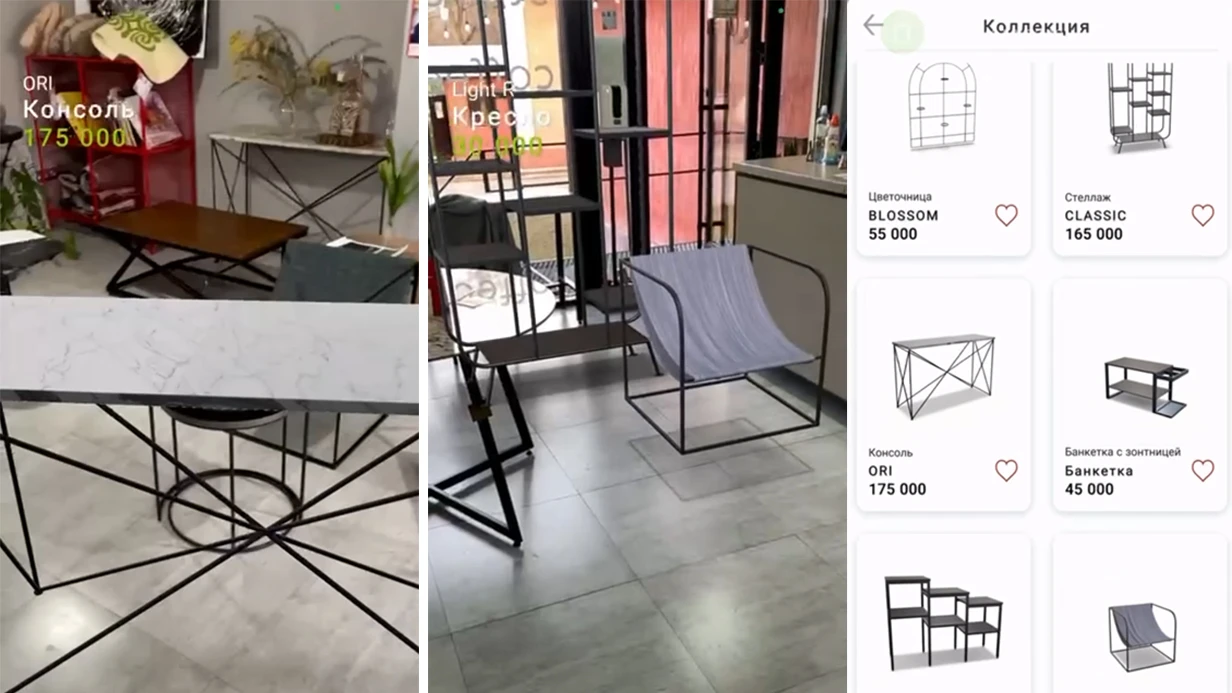
| קטלוג AR | מכירות, שיווק, תערוכות | לקוחות רואים את המוצר בגודל אמיתי ממש במשרד שלהם — המרה גבוהה יותר, פחות החזרות מפתיעות |
| אפליקציית מובייל VR/AR | תוכניות נאמנות, סיורים אינטראקטיביים, פרויקטים מוזיאליים | ערוץ תקשורת קבוע: מבקרים חוזרים לתוכן, והמותג מקבל אנליטיקת עניין ברורה |
כל פורמט פותר משימה משלו: לפעמים טווח הגעה ופשטות חשובים יותר, לפעמים פירוט תרחיש עמוק והתעמקות מלאה. לכן אנחנו מתאימים את הטכנולוגיה לתהליך העסקי שלכם, לא להיפך.
אם אתם לא בטוחים איזה פורמט מתאים, התחילו עם בריף קצר — תוך שני ימי עסקים נציע פתרון ונחשב את לוח הזמנים.
כבר השקנו את כל הפורמטים המפורטים עבור מחסנים, מפעלי ייצור ורשתות קמעונאיות, אז אנחנו מדברים לא על טכנולוגיות אלא על היתרונות שלכם.
איך אנחנו בונים פתרון VR/AR: תהליך שלב אחר שלב
תהליך שקוף הוא המפתח לתוצאה צפויה. אנחנו מפרקים את העבודה לשלבים עם מועדים ונקודות ביקורת ברורות, כך שתמיד תדעו מה קורה ומה הלאה.
בלי הפתעות, בלי עבודה נסתרת — רק הסכמות ותוצאה סופית שפותר את האתגר המחסני שלכם.
-
בריף וגילוי — אנחנו לומדים את המשימה, הקהל והמאפיינים הספציפיים של המחסן. אנחנו שואלים את השאלות הנכונות כדי להבין היכן ל-VR/AR תהיה ההשפעה הגדולה ביותר: הכשרת עובדים, ניווט, בקרה או מצגת.
-
קונספט ותרחיש — אנחנו מציעים פתרון למטרה העסקית שלכם: פורמט, לוגיקה ותרחיש שימוש. אתם רואים כיצד עובדים יתקשרו עם הסביבה הווירטואלית ויכולים לבצע עריכות לפני תחילת הפיתוח.
-
אישור אב טיפוס — אנחנו יוצרים אב טיפוס אינטראקטיבי המבוסס על נתוני מחסן אמיתיים: מסלולים, מדפים, אזורים. זה מאפשר לנו לבדוק השערות ולהבטיח שהמוצר העתידי יהיה ידידותי למשתמש בשלב מוקדם.
-
פיתוח ואינטגרציה — מתכנתים ומעצבים בונים אפליקציה מלאה ומחברים אותה למערכות החשבונאות והציוד שלכם. אתם מקבלים גרסה יציבה מוכנה לבדיקה.
-
בדיקות ועידון — אנחנו מריצים ניסויים יחד עם העובדים שלכם, בודקים תרחישים ואמינות בתנאים אמיתיים. אנחנו מטפלים במשוב ומביאים את המוצר לאיכות הנדרשת.
-
השקה והכשרה — אנחנו פורסים את הפתרון על הציוד שלכם, מגדירים אותו ומכשירים את הצוות. הצוות עובר לכלי החדש ללא הפרעה לתהליכי העבודה.
-
תמיכה לאחר ההשקה — אנחנו נשארים בקשר: מעדכנים תוכן, מוסיפים תרחישים חדשים ופותרים בעיות במהירות. אתם לא נשארים לבד עם המוצר — אנחנו תומכים בכם כל עוד צריך.
מה כלול במסירת פרויקט VR/AR
פרויקט VR/AR למחסן אינו הדגמה חד-פעמית אלא כלי עבודה שחייב להשתלב בתהליכים שלכם ולהניב ערך בכל יום.
אנחנו מספקים לא רק אפליקציה אלא חבילה מלאה כדי שתוכלו לנהל את המערכת, להכשיר צוות ולהרחיב פונקציונליות בעתיד — מבלי להיות כבולים לצוות פיתוח.
הנה מה שהמסירה כוללת:
- תיעוד פרויקט: תיאורים מפורטים של כל הפונקציות, תרחישי שימוש וכללי הפעלה המותאמים למחסן שלכם. אתם תמיד מבינים איך הפתרון עובד ואיך להפעיל אותו נכון.
- קבצי מקור ונכסים: כל מקורות האפליקציה, מודלים תלת-ממדיים, טקסטורות והגדרות. המוצר הוא כולו שלכם — אתם יכולים למסור אותו לקבלן אחר או לפתח אותו עם צוות פנימי.
- הוראות לצוות: מדריכים שלב אחר שלב למפעילים, עובדי מחסן ומנהלים, כתובים בשפה פשוטה וברורה. מינימום זמן להטמעה, מקסימום זמן לעבודה.
- הכשרת עובדים: מפגשים מעשיים למומחים מרכזיים. אנחנו עובדים דרך תרחישי מחסן אמיתיים כדי שהצוות יעבוד בביטחון מהיום הראשון.
- תמיכה טכנית: תקופת אחריות עם סיוע ומענה מהיר, ולאחריה תוכנית תמיכה מוסכמת. אם עולה שאלה, אתם יודעים לאן לפנות.
- עדכונים ושדרוגים: היכולת להרחיב פונקציונליות, להוסיף אזורים חדשים ולשנות לוגיקה ככל שהמחסן גדל או דרישות העסק משתנות — מבלי לשכתב את הפרויקט מאפס.
חבילה כזו נותנת לכם שקיפות ושליטה: אתם מנהלים את המוצר, לא להיפך.
מקרה בוחן: איך קיצרנו את זמן עיבוד ההזמנות ב-40%
המשימה שעמדה לפנינו: המחסן של מפיץ גדול טבע בשגרה — עובדים חדשים בילו שבועות בלימוד מסלולים ואזורי אחסון, כך שתור ההעמסה גדל וההזמנות נשלחו באיחור.
עיבוד SKU בודד לקח עד 4 דקות, וכל הזמנה עשירית נאספה עם שגיאה. היינו צריכים להאיץ את ההכשרה ולהפחית ליקויים מבלי לעצור את פעילות המחסן.
הצענו סימולטור VR המדמה מדפים אמיתיים, אזורי העמסה ומסופי איסוף. עובדים תרגלו מסלולי איסוף בעותק וירטואלי של המחסן — ללא סיכון לסחורה ובקצב שלהם.
לאחר שבועיים, כל 120 האנשים סיימו את הקורס, וזמן קליטת עובד חדש ירד מחודש לארבעה ימים.
תוצאות ההטמעה
לאחר השקת הסימולטור, מדדנו את אותם תהליכים בשטח בפועל. זמן עיבוד ההזמנה הממוצע ירד מ-3.5 ל-2.1 דקות — ירידה של 40%. טעויות האיסוף ירדו בשני שלישים, ודיוק ההרכבה הגיע ל-99.2%. כתוצאה מכך, המחסן החל לעבד 18% יותר הזמנות במשמרת עם אותו מספר עובדים.
מנהל המחלקה הודה לנו בנפרד: "הכשרת ה-VR החזירה את עצמה תוך חודשיים — וזה בלי לקחת בחשבון שהפסקנו לאבד לקוחות בגלל עיכובים." המחסן כבר הזמין מאיתנו מודול שלישי — הפעם להכשרת צוות המחסן לעבודה עם סחורה שבירה.
למה זה עובד
עובדים זוכרים לא הוראות אלא תנועות: הסביבה הווירטואלית בונה זיכרון שריר למסלולים ולמיומנויות עבודה עם המסוף. אז התוצאה לא תלויה בניסיון של האדם — אפילו עובד חדש עובד כמעט כמו מומחה ותיק אחרי הסימולטור.
עבור העסק, זה אומר מהירות עיבוד הזמנות עקבית, פחות קנסות על איחור במשלוחים ולקוחות מרוצים שחוזרים שוב.
איך לבחור פורמט VR/AR למחסן שלכם?
בחירת הפורמט מתחילה לא בטכנולוגיה אלא באתגר המחסני הספציפי: האם צריך להאיץ הכשרת עובדים חדשים, להפחית טעויות איסוף או לתרגל בבטחה תרחישים נדירים. לכל מטרה יש את האפשרות הטובה ביותר שלה.
אפליקציית VR מספקת התעמקות מלאה במודל מחסן וירטואלי — אידיאלית להכשרה ללא עצירת פעולות או סיכון לעובדים.
אפליקציית AR, לעומת זאת, עובדת ישירות בשטח האמיתי: העובד רואה רמזים, מסלולים ונקודות ביקורת המוצגות על גבי החלל הסובב.
הקריטריון השני הוא מי ישתמש בפתרון ובאיזו תדירות. אם הכשרה מתרחשת באופן קבוע ואתם צריכים תוצאות עקביות ללא תלות בניסיון המדריך, VR מחזיר את ההשקעה מהר יותר: קורס שנוצר פעם אחת ניתן להריץ עבור כל מספר עובדים.
אם מדובר בעבודה תפעולית יומיומית — קבלת סחורה, בדיקות מיקומי אחסון, ניווט בין מדפים — AR מספק סיוע בזמן אמת, מפחית זמן חיפוש ושיעורי שגיאות. מה שחשוב הוא שהאפליקציה לא מפריעה לתהליכים הרגילים אלא משלימה אותם.
שימו לב לאינטגרציה עם מערכת המחסן וניהול המלאי שלכם. אפליקציית VR/AR מעוצבת כהלכה מתחברת לנתונים שלכם: היא מציגה רמות מלאי עדכניות, מספרי תאים וסטטוסי הזמנות.
במקרה זה, העובד מקבל לא תמונה מופשטת אלא כלי עבודה המשולב בפעולות קיימות. אנחנו מתכננים את הפתרון כך שלא תצטרכו לבנות מחדש את כל סביבת ה-IT — מספיק ליישר פורמטים של נתונים ונקודות החלפה.
לבסוף, העריכו את הכלכלה של ההטמעה. VR יעיל יותר להכשרה רחבת היקף וחוזרת: העלות לכל מפגש הכשרה לאחר הפיתוח יורדת פי כמה.
AR הגיוני לפעולות בנפח גבוה שבהן אפילו שניות שנחסכות בכל איסוף מספקות צמיחת פרודוקטיביות מדידה. אם אתם לא בטוחים, התחילו עם פיילוט מוגבל באזור מחסן אחד.
זה יספק מספרים אמיתיים על מהירות למידה, שיעורי שגיאות וקבלת הצוות ללא השקעות ראשוניות גדולות.
התשובה הקצרה: ראשית הגדירו מטרה מדידה — הכשרה, ניווט או בקרת איכות — ואז העריכו באיזו תדירות הפתרון ישמש. להכשרה קבועה, בחרו VR; לפעולות יומיומיות, בחרו AR. אם שני התרחישים חשובים, שקלו פורמט מעורב.
אנחנו יכולים לעזור בביצוע ביקורת כזו ולהציע אפשרות שפותר את הבעיה שלכם ולא רק נראה היי-טק.
תשובות לשאלות נפוצות על פיתוח VR/AR
כל לקוח של פיתוח VR/AR למחסן מתמודד עם אותן שאלות: כמה זמן ייקח הפרויקט, האם נצטרך לעצור פעולות, האם הפתרון יעמוד בעומסי עבודה אמיתיים. זה נורמלי — התשובות משפיעות על התקציב, התוכנית ושקט הנפשי של הצוות.
אספנו את החששות שבעלי מחסנים וחברות לוגיסטיקה מעלים לרוב. להלן תשובות קצרות וכנות לעיקריות.
כמה זמן לוקח הפיתוח?
לוחות הזמנים תלויים בהיקף ובסוג הפתרון. סימולטור הכשרה להפעלת מלגזה או איסוף הזמנות לוקח בדרך כלל 4-8 שבועות מתיאור התרחיש ועד לגרסה מוגמרת.
פרויקטים גדולים המכסים מספר אזורי מחסן מחולקים לשלבים, ואנחנו מציגים תוצאות אחרי הראשון.
האם נצטרך לעצור את פעילות המחסן?
לא. סימולטורי VR והוראות AR פועלים במקביל לתהליכי הליבה. הכשרה מתבצעת באזור נפרד או ישירות בשטח — עובד מרכיב משקפיים ונמצא בתוך התרחיש תוך 15 דקות. אינטגרציה עם מערכות חשבונאות אינה דורשת השבתת ציוד.
האם זה תואם לציוד שלנו?
אנחנו בוחרים מכשירים לפי המשימות של הלקוח: ממשקפי standalone ועד מערכות נייחות. למחסן, אלה בדרך כלל פתרונות ניידים שאינם דורשים שרתים חזקים באתר.
העיקר הוא התרחישים ונקודות ההכשרה שלכם; אנחנו מגדירים את הצד הטכני סביב התשתית הקיימת שלכם.
כמה זה אמין?
אנחנו משתמשים בכלים מוכחים וציוד מקצועי, כך שהפתרון עובד ביציבות תחת עומס יומיומי. אנחנו מספקים את הפרויקט עם הוראות צוות ותמיכת הטמעה קצרה: הצוות שלכם שולט במערכת במהירות, ואנחנו נשארים בקשר לאחר ההשקה.
כמה מהר זה מחזיר את ההשקעה?
עובד שסיים תרגול וירטואלי מגיע למהירות המתוכננת מהר יותר ועושה פחות טעויות. קליטה אורכת ימים במקום שבועות, והסיכון לנזק לציוד או לסחורה יורד.
אנחנו מחשבים את האפקט המדויק בשלב הבריף על סמך המדדים שלכם — למשל, שיעורי טעויות איסוף או זמן הכשרה.
עדיין יש שאלות? שלחו לנו את התרחיש שלכם לייעוץ — נחשב לוחות זמנים, היקף עבודה ונראה כיצד הפתרון משתלב בתהליכי המחסן שלכם.התחילו את פרויקט אפליקציית ה-VR/AR שלכם היום
השאירו פנייה, ואנחנו ניצור איתכם קשר באותו יום כדי לדון באתגר המחסני שלכם. לאחר מכן תקבלו רצף ברור של צעדים: מהייעוץ הראשון ועד לאב טיפוס עובד שתוכלו לבדוק על תהליכים אמיתיים.
הנה איך נראית תחילת הפרויקט:
- פנייה. אתם משאירים פנייה באתר או מתקשרים אלינו — אנחנו מאשרים זמן נוח לשיחה.
- ייעוץ. אנחנו דנים באתגר העסקי שלכם: מה אתם רוצים להאיץ במחסן, אילו פעולות להפוך לאוטומטיות והיכן אתם מאבדים זמן וכסף.
- הערכת עלות. אנחנו מכינים הערכה לתרחיש שלכם — קובעים מחיר קבוע ללא עמלות נסתרות או הפתעות בדרך.
- תוכנית ומפרט טכני. אנחנו מתארים שלבי עבודה, לוחות זמנים וקריטריוני קבלה — אתם רואים בעד מה אתם משלמים לפני חתימת החוזה.
- חוזה. אנחנו מגדירים ערבויות, היקף עבודה ואחריות הדדית — אתם מקבלים הגנה משפטית.
- תחילת פרויקט. אנחנו מתחילים בפיתוח, ואתם מקבלים גישה לאב הטיפוס במסגרת הזמן המוסכם — ויכולים לבצע שינויים בשלבים המוקדמים.
אנחנו מבטיחים שקיפות בכל שלב: אתם יודעים מי אחראי על מה ומתי התוצאה תהיה מוכנה. אנחנו מטפלים בצד הטכני — אתם מנהלים את המחסן במקום להתעמק בפרטי פיתוח.
התחילו עם ייעוץ: ספרו לנו על המחסן שלכם, ואנחנו נציע פתרון שמתאים לתקציב וללוח הזמנים שלכם. השאירו פנייה — נגיב תוך יום עסקים אחד.