



האם חברת הביטוח שלכם מאבדת לקוחות בתערוכות?
דוכן התערוכה של חברת ביטוח מוקף בדרך כלל בזרם של מבקרים, אבל מעטים מהם נשארים: ברושורים, באנרים מתגלגלים ומצגות סטטיות לא נותנים לאנשים סיבה לעצור.
אדם חולף על פני מאות דוכנים דומים ביום אחד וזוכר רק את מה שפגע בו רגשית — וזו הסיבה שמצגות מיושנות מתורגמות ישירות לאובדן לקוחות שנסחפים למתחרים מושכי עין יותר.
במקביל, קשה להציג מוצרי ביטוח "באופן מעשי": אי אפשר להחזיק פוליסה בידיים, וקשה להסביר את הערך בשיחה של 10 שניות.
כשנציג מכירות מדבר על סיכונים ופיצויים, תשומת הלב של המבקר נודדת — הם צריכים תמונה, דוגמה, שקיעה במצב.
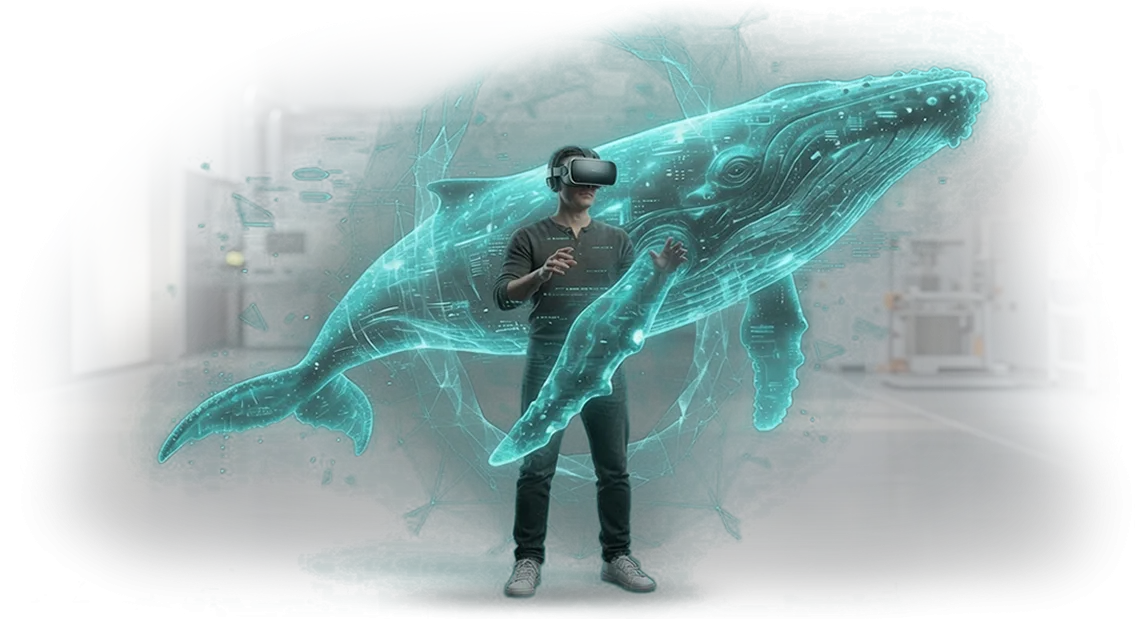
כאן VR לתערוכות משנה את המשחק: במקום לקרוא על ביטוח, הלקוח חווה תרחיש שבו הוא באמת עובד.
תרחיש הדגמה וירטואלי פשוט — בחירת פוליסה לטיול או הגנה על רכוש, למשל — מחזיק תשומת לב פי 3–5 יותר משיחה רגילה עם מנהל. המבקר רואה במו עיניו איך הביטוח עובד, ונוצר תור בדוכן שלכם.
משיכת קהל הופכת לטבעית: אורחים ניגשים מעצמם, מתנסים, דנים בזה, ומעבירים את המשקפת לאדם הבא, ויוצרים עניין אמיתי בחברה.
אנחנו בונים בדיוק את הפתרונות האלה: אנחנו לוקחים על עצמנו את הקונספט, התרחיש והיישום עבור המוצר שלכם, כך שהדוכן לא רק מקשט את התערוכה אלא מייצר לידים.
אנחנו מגדירים את הציוד מראש ובודקים אותו בשטח — כל מה שנשאר לכם הוא לקבל אורחים ולאסוף פרטי קשר. כתוצאה מכך, אתם מפסיקים לאבד לקוחות באירועים ומקבלים כלי שזוכרים אותו ומביא קונים חדשים.
WebVR לחברות ביטוח: ערוצי מכירה חדשים
אי אפשר לגעת במוצר ביטוחי או לראות אותו — הלקוח קונה הבטחה שקשה להסביר בפעם הראשונה. בזמן שהמנהל מפרט את תנאי הפוליסה, האדם מאבד את החוט ודוחה את ההחלטה.
הפורמט האימרסיבי משנה את התמונה: תוך כמה דקות, הלקוח עובר בעצמו דרך מקרה ביטוחי ורואה איך החברה מגיבה ומשלמת פיצויים. זה מסיר התנגדויות לפני שהן אפילו נאמרות ומקרב את העסקה.
מוצר ברור ללא חוקים ארוכים
תרחיש VR/AR מוביל את הלקוח במסלול מסיכון לתשלום: תאונה או תקלה מדומים מראים איזה כיסוי נכנס לפעולה וכמה החברה תחזיר. הלקוח לא קורא את החוקים — הוא חווה את השירות ממקור ראשון.
ההחלטה מגיעה רגשית ומחוזקת בחישוב רציונלי, כך שצוות המכירות לא צריך לדחוף לקוח מהסס.
צמיחה במכירות דרך ערוץ חדש — ישירות בדפדפן
WebVR לא דורש התקנת אפליקציות: הלקוח לוחץ על קישור ממייל או ממודעה, והמשרד הווירטואלי נפתח בכל מכשיר. זה ערוץ מכירה חדש וכלי מעשי לסוכנים מחוץ למשרד.
בונוס נוסף הוא שיווק אימרסיבי: מבקרים מספרים לכולם על "האתר ההוא שבו חוויתי מקרה ביטוחי", והמותג זוכה לזכירה ללא תקציב פרסום.
כפי שמציין ראש המכירות בחברת ביטוח, לאחר השקת WebVR, ההמרה של לידים באתר עלתה, ולקוחות הפסיקו לשאול את אותן שאלות — התרחיש הווירטואלי ענה להם עוד לפני שהתקשרו למנהל. כך חברת ביטוח זוכה בערוצי מכירה חדשים ובתקשורת מוצר ברורה.
פורמטים של יישום: VR, AR ו-MR לצרכים שלכם
קשה להסביר מוצר ביטוחי במילים: הלקוח לא רואה מה הוא מקבל ודוחה את ההחלטה. פורמטים של יישום פותרים את זה — הם הופכים את תנאי הפוליסה לתרחיש ויזואלי שאפשר "לחיות" תוך כמה דקות. הצגת מוצר כזו מסירה התנגדויות ומקצרת את הדרך לרכישה.
אנחנו בוחרים את הפורמט לפי המשימה העסקית שלכם. למשרד מכירות, אירועים או אתר — לכל תרחיש יש כלי משלו שנותן ללקוח חוויה ברורה ולכם תוצאה מדידה.
| פורמט | למי זה מיועד | מה זה נותן ללקוח |
|---|---|---|
| מצגת VR | מנהלי מכירות, תערוכות, כנסים | שקיעה מלאה: הלקוח רואה את המקרה הביטוחי בפירוט, מבין את הערך ונותן אמון בחברה |
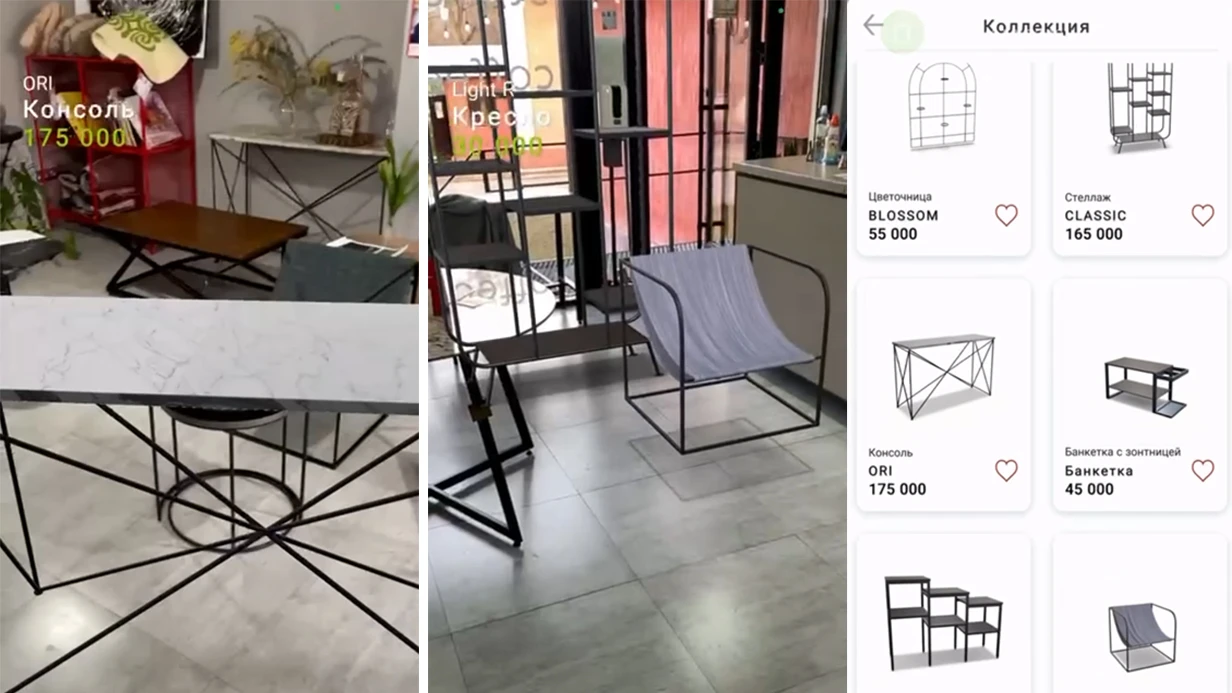
| קטלוג AR | משרדי מכירות, יועצים, חומרים מודפסים | תנאי הפוליסה מתעוררים לחיים ממש ליד המסמך — הלקוח משווה ובוחר בקלות רבה יותר, ללא צורך להסתכל על מסך |
| פורטל WebVR | אתר החברה, לקוחות מרוחקים | גישה בלחיצה אחת מהדפדפן: הלקוח חוקר את המוצר בבית או בדרכים, ללא התקנת אפליקציה |
כל פורמט פותר משימה משלו, וביחד הם יוצרים מערכת אקולוגית אחידה. לדוגמה, מצגת ה-VR עובדת בתערוכה, קטלוג ה-AR עוזר ליועץ במשרד, ופורטל ה-WebVR מגיע לאלה שלא מוכנים להיפגש פנים אל פנים.
אלה לא פרויקטים נפרדים — כל הפורמטים חולקים את אותם מודלים ונכסי תלת-ממד, כך שהשקת אחד לא מייקרת את השני.
ספרו לנו עם איזה תרחיש אתם עובדים — פגישות אישיות, אתר או אירועים המוניים. נתאים את פורמטי היישום המתאימים ונראה איך הם משתלבים במשפך המכירות שלכם.
איך עובד פיתוח יישומים: מבריף ועד השקה
תהליך שקוף הוא מה שמבדיל קבלן אמין מ"קופסה שחורה": אתם יודעים את השלבים, לוחות הזמנים ונקודות הביקורת מראש.
זה חשוב במיוחד עבור חברת ביטוח: היישום חייב להתאים לתהליכים שלכם, לעבוד עם נתוני לקוחות אמיתיים ולהניב תוצאה מדידה — לידים, ייעוץ, אמון במוצר.
כך הפיתוח עובד:
-
בריף ושקיעה במשימה העסקית. אנחנו לומדים את מוצר הביטוח שלכם, פרופיל הלקוח ותרחיש השימוש. בשלב זה אנחנו מגדירים מה צריך להיות במרכז: סיור וירטואלי במשרד, ייעוץ אינטראקטיבי, הכשרת סוכנים או מצגת פוליסה.
-
תרחיש ואב-טיפוס. אנחנו מרכיבים את הניווט, לוגיקת האינטראקציה והטקסטים. אתם רואים מה יקרה ואיך לפני תחילת הפיתוח בקנה מידה מלא. זה הזמן לבצע עריכות ללא עבודה מיותרת.
-
קונספט עיצובי. אנחנו מפתחים את הסגנון הוויזואלי למותג שלכם. האב-טיפוס הסופי מאושר איתכם — עבור מגזר הביטוח, זה גם עניין של אמון בחומרים.
-
פיתוח והרכבה. אנחנו בונים את הפונקציונליות לפי התרחיש המאושר. הפתרון מוגדר לעבודה בדפדפן, ללא התקנת תוכנה נוספת — המשתמש פשוט פותח קישור.
-
בדיקה על מכשירים אמיתיים. אנחנו בודקים איך התרחישים מתפקדים: מסמארטפון רגיל ועד משקפי VR מקצועיים. אנחנו מתקנים כל ליקוי לפני שהלקוחות שלכם רואים אותו.
-
השקה ואינטגרציה. אנחנו מחברים את היישום לאתר שלכם, פורסים אותו בדומיין הנדרש ומגדירים איסוף לידים ל-CRM או למייל שלכם. אתם מקבלים כלי מוכן שכבר עובד.
-
תמיכה וצמיחה. אנחנו ממשיכים לתמוך בפרויקט לאחר ההשקה: מעדכנים חומרים, מוסיפים תרחישים חדשים, מנטרים יציבות. כשמוצרים חדשים מופיעים — אתם יודעים עם מי לבנות אותם.
לאחר השלמת השלבים האלה, אתם מקבלים לא "צעצוע פרסומי" אלא כלי עבודה אמיתי ליצירת קשר עם לקוחות. כל ההחלטות הביניים מתועדות במסמך ברור, כך שתמיד יש לכם תמונה מלאה של הפרויקט — ללא הפתעות נסתרות בלוח זמנים או בתקציב.
מה כלול במסירה: חבילה מלאה לעסק שלכם
אתם מקבלים לא "קובץ הדגמה" אלא כלי מוכן ועובד שנפרס בתשתית שלכם ומשמש מהיום הראשון. החבילה כוללת כל מה שחברת ביטוח צריכה כדי להשיק את הפתרון, להכשיר עובדים ולצמוח עם הפרויקט ללא מכשולים.
- יישום WebVR מוכן — מותאם למשימות של חברת ביטוח: הכשרת סוכנים, מצגות מוצר או בדיקות נכס וירטואליות. עובד בדפדפן, ללא התקנת תוכנה למשתמשים.
- קוד מקור וזכויות עליו — אתם הבעלים של הקוד, כך שתוכלו לפתח את המוצר איתנו או עם צוות משלכם, ללא תלות בקבלן.
- תיעוד טכני — תיאור ארכיטקטורה, הוראות פריסה ועדכון. גם אם מומחה מתחלף, אתם לא מאבדים את הידע.
- הכשרת עובדים — סדנה למנהלים ומנהלי תוכן: איך להשיק תרחישים, לעדכן אותם ולהוסיף מוצרי ביטוח חדשים.
- הוראות משתמש — דפי עזר לסוכנים וללקוחות, כך שהסשנים הראשונים עוברים חלק ללא שאלות תמיכה.
- תמיכה טכנית — ערוץ ייעודי לצוות שלנו: ייעוץ, פתרון תקלות, עדכונים לגרסאות דפדפן חדשות.
- אנליטיקת שימוש — לוח מחוונים עם מדדים: כמה עובדים השלימו הכשרה, אילו תרחישים גורמים לקשיים.
לאחר המסירה, אנחנו נשארים קרובים: תקופת אחריות, תיקונים למשוב ועזרה בהטמעה. אתם לא נשארים לבד עם קוד גולמי — אתם מקבלים את המוצר, הידע והתמיכה שהופכים פיתוח VR לנכס עובד עבור חברת ביטוח.
מקרה בוחן: איך הגדלנו מכירות עם סיור וירטואלי
מוצרי ביטוח קשים לתפיסה: הלקוח לא רואה את המשרד, לא מבין איך עובד תהליך תביעות, ולכן דוחה את קניית הפוליסה. אי אפשר לבנות אמון עם טקסט — צריך חוויה. אנחנו עסקנו בצורך הזה עם סיור וירטואלי.
עבור חברת הביטוח "וקטור", פיתחנו סיור וירטואלי מבוסס דפדפן במשרד הראשי ובמרכז טיפול בתביעות.
המשתמש עוקב אחרי מסלול הלקוח מהכניסה ועד חתימת החוזה: הוא רואה את אזורי השירות, עמדות העבודה של המומחים והנהלים הפנימיים. זה הופך "שירות בלתי נראה" למקום מוכר שאנשים רוצים לפנות אליו.
מה עשינו
הסיור שולב בעמוד המכירה ובקמפיינים במייל ללקוחות פוטנציאליים. בחודש הראשון, יותר מ-5,000 אנשים עברו דרכו — כמעט מחצית מהתנועה החודשית של האתר.
זמן השהייה הממוצע בחקר השירות גדל מ-40 שניות לשלוש דקות: אנשים התחילו ללמוד את התנאים במקום לעזוב. הסיור הפך לערוץ מכירה עצמאי.
התוצאה לעסק
השינוי המרכזי היה בהמרה. חלק המבקרים שהגישו פנייה גדל ב-31%, ומכירות הפוליסות כמעט הוכפלו.
מנהלים הפסיקו לבזבז זמן על שאלות שגרתיות — הסיור עונה עליהן לבד — והחברה הזמינה סיור שני שישה חודשים לאחר מכן.
שאלות נפוצות על יישומי VR/AR/MR לעסקים
פיתוח פתרונות VR לחברת ביטוח מעלה בדרך כלל שאלות מעשיות ולא טכניות: כמה זה עולה, כמה מהר אפשר להטמיע, והאם לקוחות יצטרכו לקנות ציוד יקר.
להלן תשובות למה שאנשים שואלים לרוב לפני תחילת פרויקט. אם השאלה שלכם לא כאן — פשוט כתבו לנו, ונשלח הערכת עלות ותוכנית למשימה שלכם.
למה שחברת ביטוח תצטרך יישום VR? זה לא בידור?
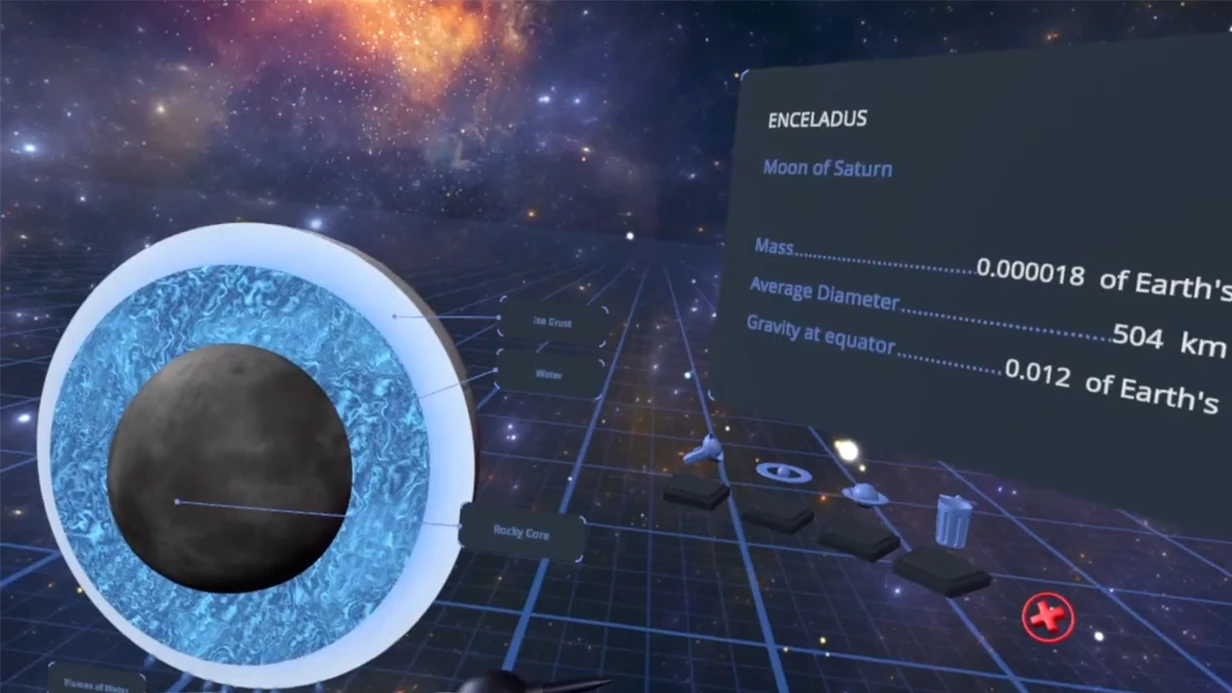
VR פותר משימות עסקיות קונקרטיות — הוא לא מבדר. לדוגמה, אפשר להראות ללקוח מודל תלת-ממדי של מקרה ביטוחי, מנזק לרכב ועד השלכות תאונה, כך שהוא מיד מבין את סכום הפיצוי ואת התנאים.
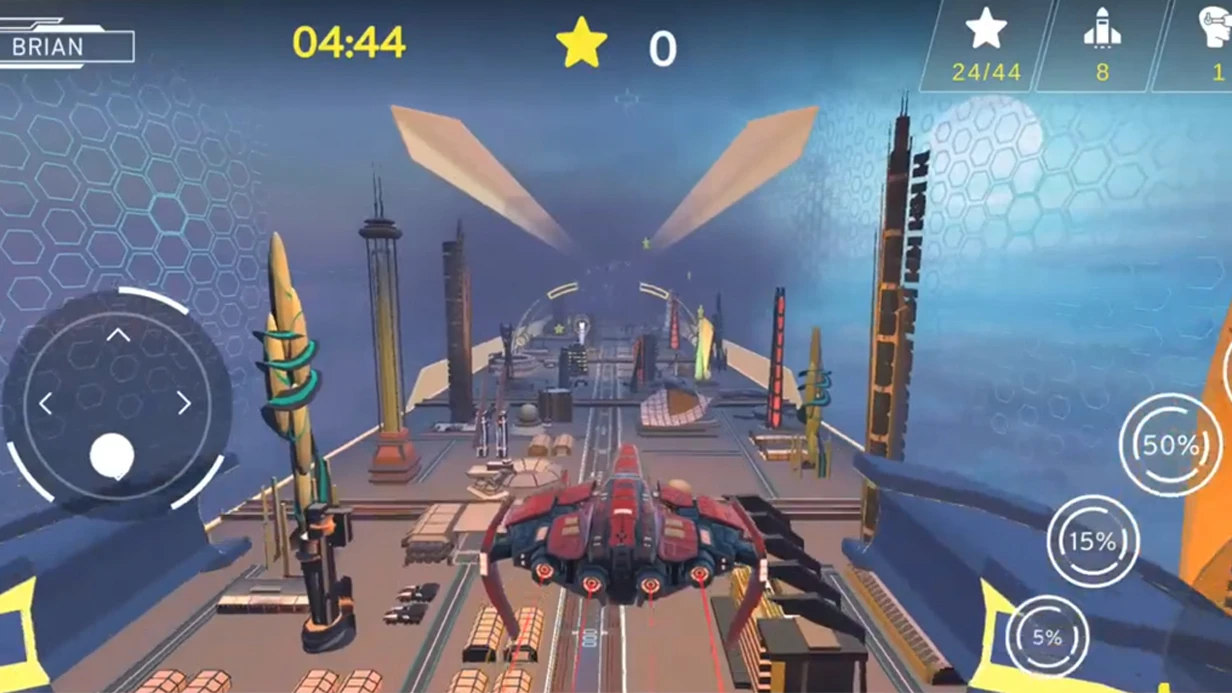
או שאפשר להכשיר סוכנים: תרגול דיאלוגים עם לקוחות בסביבה וירטואלית משפר את איכות המכירות פי כמה.
כמה עולה פיתוח יישום VR?
העלות תלויה במשימה: ויזואליזציה פשוטה של תנאי פוליסה תהיה זולה יותר מסימולטור הכשרה מלא לעובדים. שלחו לנו את המטרות וההיקף — נכין הערכה בשתי גרסאות: מינימום בסיסי להתחלה וגרסה מורחבת לתוצאות מקסימליות.
כמה זמן לוקח הפיתוח?
פרויקט טיפוסי נכנס ל-6-10 שבועות, מבריף ועד יישום מוגמר. תראו את גרסת הבדיקה הראשונה תוך 3-4 שבועות ותוכלו לבצע עריכות תוך כדי העבודה.
איזה ציוד לקוחות או עובדים צריכים?
לרוב המשתמשים כבר יש סמארטפון שעובד ל-VR. אנחנו בונים את הפתרון כך שהוא רץ על מכשירים נגישים, ללא קניית משקפיים מקצועיים. אם אתם רוצים אפקט מקסימלי — נייעץ מה להוסיף, אבל זה לא חובה.
מי יוצר את התוכן, ומה אם היישום לא מצליח?
אנחנו מטפלים בכל דבר מהרעיון ועד ההשקה: תרחישים, עיצוב, פיתוח והוראות לעובדים. אנחנו מוסיפים מדדי שימוש, כך שאתם מיד רואים כמה לקוחות וסוכנים באמת משתמשים ביישום. אם אזור מסוים לא עומד בציפיות, קל לבנות אותו מחדש לתרחיש אחר.
הפקידו את השגרה בידינו — וקבלו כלי שמחזיר את עצמו דרך מכירות מהירות יותר, נאמנות לקוחות וזיהוי מותג חזק יותר. השיקו פרויקט פיילוט תוך 3-4 שבועות ומדדו את האפקט על נתונים אמיתיים.מוכנים לדון בפרויקט שלכם? קבלו הערכת עלות
חברת ביטוח משמעותה עבודה עם סיכונים, מסמכים ואמון לקוחות. מציאות מדומה עוזרת להציג את המוצר ויזואלית: הובילו לקוח דרך תרחיש תלת-ממדי, הדגימו תנאי פוליסה או הכינו עובד למשא ומתן קשה.
כבר סיפקנו פרויקטים כאלה ואנחנו יודעים להפוך טכנולוגיה ליתרונות ברורים לעסק שלכם.
השאירו פנייה או התקשרו אלינו — במהלך ייעוץ קצר נפרק את המשימה שלכם, נחשב את העלות ונציע פתרון שמתאים לתקציב וללוח הזמנים שלכם. כך תדעו מה אתם מקבלים לאחר ביצוע הזמנה:
- ייעוץ אישי עם מהנדס VR/AR על המשימה שלכם — ללא מקדמה או התחייבויות. אתם מציגים את המטרה, ואנחנו מראים היכן הטכנולוגיה תניב תוצאות.
- הערכת עלות לתרחיש שלכם: ציינו את קהל היעד, ההיקף והציפיות — קבלו הצעת מחיר שקופה ללא עמלות נסתרות או אותיות קטנות.
- בחירת פורמט: ממצגת WebVR ללקוחות ועד מודול הכשרה לצוות. נציע אפשרות שפותר את המשימה הספציפית שלכם, לא רק "טרנד"