



טלקום מאבדת לקוחות: איך VR/AR מחזירה את העניין
התחרות בתחום הטלקום עברה מזמן מ"מי יותר זול" למאבק על תשומת הלב. התעריפים דומים בכל מקום, הכיסוי דומה, ולכן לקוחות מחליפים ספקים בקלות כשהם לא מרגישים ערך.
שימור לקוחות הופך לאתגר המרכזי: לשמר מנוי קיים זול יותר מאשר לרכוש חדש, אבל בלי חיבור רגשי, נאמנות לא עובדת.
מיילים סטנדרטיים, SMS ובאנרים כבר לא מושכים תשומת לב — אנשים מתעלמים מהם.
מנוי רואה את אותן פרסומות גנריות ותופס את הספק כ"צינור תקשורת" חסר פנים. השיווק צריך כלים שמפתיעים מהשנייה הראשונה ונותנים סיבה להישאר: מצגות 3D אינטראקטיביות, אולמות תצוגה וירטואליים לתעריפים, ניווט AR במשרדים, גיימיפיקציה של שירותים.
זוהי המשמעות של "מעורבות לקוחות" — להפוך אינטראקציה משעממת לחוויה חיה ומרתקת.
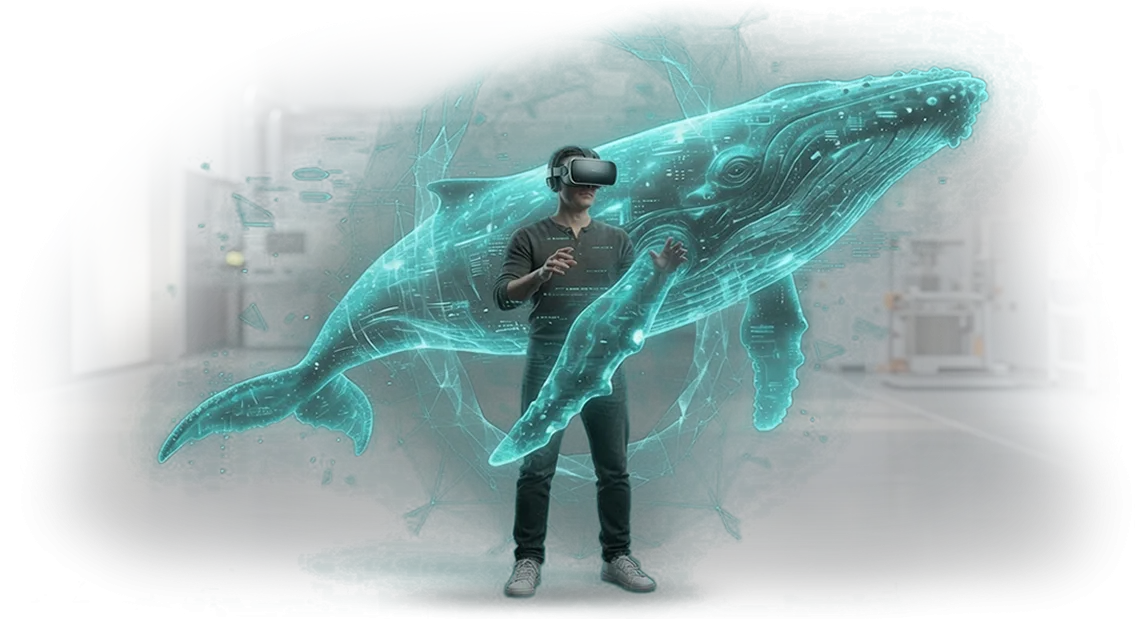
VR ו-AR מאפשרים לספק להציג את המוצר בצורה חיה. לקוח יכול "להסתובב" במשרד וירטואלי, לראות את אזור הכיסוי במציאות רבודה על מפת העיר, או לבדוק תעריף בפורמט דמוי משחק.
מכניקות כאלה מגבירות את הכרת המותג ואת המעורבות, והכי חשוב — נותנות לעובדים סיבה ברורה לדבר עם מנוי. זה לא בידור לשם באזז — זה ערוץ שיווקי עובד שניתן למדוד אותו לפי המרות ובקשות חוזרות.
אנחנו עוזרים לספקים להטמיע פרויקטים של VR/AR למטרות עסקיות ספציפיות: ממשיכת מנויים חדשים ועד הגברת נאמנות בקרב קיימים. אנחנו מתכננים תרחישים שמתאימים למשפך המכירות שלכם ומחזירים את ההשקעה באמצעות שיפור בשימור לקוחות.
אם שוק הטלקום דורש פתרונות חדשים — אנחנו הופכים טכנולוגיה לתוצאות שהלקוח מבין.
יתרונות מרכזיים: מה מרוויחים מההטמעה
הטמעת VR/AR/MR בטלקומוניקציה היא לא דרך להרשים אורחים במצגות; זה כלי לניהול מדדים עסקיים מרכזיים.
הלקוח מקבל תוצאה מדידה: גידול במכירות, נאמנות גבוהה יותר של מנויים, מותג חזק יותר ושיפור בהמרות בכל שלב במשפך. הדבר היחיד שחשוב הוא לבחור את התרחיש הנכון — ואז הטכנולוגיה מחזירה את עצמה בתוך החודשים הראשונים.
ההשפעה הראשונה היא גידול במכירות. במקום תיאורי תעריפים שטוחים, המנוי רואה מודל 3D אינטראקטיבי של השירותים: כיסוי, מהירות, אפשרויות כלולות. הוא "מודד" את התעריף לפי תרחיש השימוש שלו ומקבל החלטה מהר יותר. בפרויקטים שלנו, ההמרה לרכישה אחרי מצגת VR גדלה בממוצע ברבע.
ההשפעה השנייה היא נאמנות מנויים. עוזר וירטואלי באפליקציה מדריך את הלקוח בהגדרות; הוראות AR מראות איך לחבר ראוטר או לשנות תעריף.
זה מפחית את העומס על התמיכה ומוריד נטישה: מנויים שמוצאים את השירות נוח נשארים לאורך זמן. אחרי הטמעת תרחישים כאלה, בקשות חוזרות יורדות ומדד שביעות הרצון עולה.
ההשפעה השלישית היא מותג והמרות. חוויה אימרסיבית באתר או באולם התצוגה מבדלת את הספק מהמתחרים ויוצרת סיבה לאזכורים ברשתות החברתיות ובתקשורת.
הצעות AR מותאמות אישית ברגע הבחירה מעלות את הסבירות לסגירת עסקה. גישה זו מחזקת את התדמית של ספק טכנולוגי והופכת מבקרים חד-פעמיים ללקוחות קבועים.
פיתוח VR/AR/MR למשימות טלקום מטופל על ידי הצוות שלנו — אנחנו עוזרים להטמיע את התרחישים האלה עם תוצאה מובטחת.
פורמטים של VR/AR לעסקי הטלקומוניקציה
שוק הטלקום רווי בהצעות דומות — ללקוחות קשה לזכור למה התעריף או הציוד שלכם טובים יותר. VR ו-AR מאפשרים להראות את המוצר בפעולה: מסיור וירטואלי במשרד מכירות ועד מפת כיסוי אינטראקטיבית. אנחנו מפתחים פורמטים שעובדים על כל מכשיר מודרני, כך שלקהל שלכם אין חסם כניסה.
| פורמט | קהל יעד | מה הלקוח מקבל |
|---|---|---|
| הדגמת ווב עם סיור וירטואלי | קהל רחב | הפעלה דרך קישור ללא התקנה — חשיפה גבוהה פי כמה מאפליקציות |
| אולם תצוגה לציוד VR | לקוחות עסקיים, שותפים | היכרות ויזואלית עם הפתרון ללא נסיעות — מחזור עסקה קצר יותר |
| אינטראקטיב AR ברשתות חברתיות | משתתפי מבצעים ואירועים | מעורבות רגשית וחשיפה רחבה — כל משתתף משתף עם חברים |
| מצגת VR אינטראקטיבית | מבקרים במשרדים ובתערוכות | היכרות בלתי נשכחת עם תעריפים ושירותים — המרה גבוהה יותר לרכישה |
בחירת הפורמט תלויה במטרה. הדגמת ווב אופטימלית לקמפיין פרסומי רחב, אולם VR ללקוחות גדולים, ואינטראקטיב AR למבצעים ואירועים.
אנחנו נעזור לכם לבחור את האפשרות הנכונה וליישר אותה עם משפך המכירות שלכם, כך שלקוחות יקבלו רושם ויעברו לביצוע הזמנה.
שלבי העבודה: מבריף ועד השקה יציבה
יכולת חיזוי חשובה בטלקום: אתם יודעים מראש מה תקבלו, מתי ובאיזו איכות. לכן תהליך פיתוח ה-VR/AR שלנו בנוי כשרשרת שקופה, עם תיעוד בכל שלב ואישורים לפני המשך. אתם תמיד רואים באיזה שלב נמצא הפרויקט, מה כבר אושר ומה יקרה בשבוע הבא.
- בריף והגדרת משימה. אנחנו מקיימים סדנת עבודה לזיהוי מטרות הפרויקט, קהל היעד ותרחישי השימוש. אנחנו קובעים היקף, לוחות זמנים וקריטריוני קבלה — כך שכולם מבינים את התוצאה באותה צורה.
- אב טיפוס והגיון התרחיש. אנחנו מדגימים כיצד המשתמש יתקשר עם האפליקציה: שלבים, מסכים, מעברים. התרחיש מאושר לפני תחילת העיצוב והפיתוח — זה מבטל את רוב התיקונים בשלבים מאוחרים יותר.
- עיצוב וסגנון ויזואלי. אנחנו יוצרים קונספט ממשק בסגנון המותג שלכם. אנחנו מאשרים עיצובים ואנימציות כדי שתוכלו לראות איך המוצר ייראה לפני שהוא נבנה.
- פיתוח עם אישורי ביניים. אנחנו בונים את האפליקציה באיטרציות: אחרי כל מחזור אנחנו מציגים גרסה עובדת, משלבים התאמות ומאשרים שינויים. אין "קופסאות שחורות" — אתם מודעים להתקדמות בכל שלב.
- בדיקות ואיתור תקלות. אנחנו בודקים את האפליקציה על מכשירים אמיתיים ותרחישים טיפוסיים: מהירות תגובה, עמידות בעומס ונוחות שימוש. אנחנו פותרים בעיות לפני ההשקה, לא אחרי תלונות לקוחות.
- השקה ומסירה. אנחנו מתקינים את הפתרון על הפלטפורמות שלכם, מגדירים אינטגרציות ומדריכים את הצוות. אתם מקבלים כלי עובד עם רשימת בדיקות מוכנות מלאה.
- תמיכה ופיתוח עתידי. אנחנו נשארים זמינים אחרי המסירה: עונים על שאלות, מעדכנים תוכן ומשפרים פונקציות למשימות חדשות. זו ערובה לכך שהאפליקציה תמשיך לעבוד ביציבות.
סיכומי פגישות ומסמכים מאושרים נשמרים לכל שלב — תמיד אפשר לחזור לכל החלטה. גישה זו מגנה על התקציב שלכם מ"תוספות" בלתי צפויות ומאפשרת להשיק את הפרויקט בדיוק בזמן.
מה כלול במסירה: חבילת ההשקה המלאה
כשהפרויקט הושלם, הלקוח מקבל לא רק "אפליקציה עובדת" אלא מערכת ניתנת לניהול שאינה דורשת מעורבות מתמדת של המפתח.
אנחנו מבנים את המסירה כך שאין הפתעות: כל קובץ, הוראה והרשאת גישה מועברים לפי רשימה מפורטת, והצוות שלכם יודע בדיוק איך להשתמש במוצר.
החבילה המלאה כוללת:
- קבצי מקור של הפרויקט — כל הקוד והמשאבים שנוצרו נשארים אצלכם. אתם הבעלים של המוצר ויכולים להמשיך לפתח אותו איתנו או עם כל צוות אחר.
- תיעוד טכני — תיאור הארכיטקטורה, ההגדרות ותרחישי ההפעלה. המומחה שלכם יבין את המערכת גם אם תחליפו קבלנים.
- הוראות לצוות — מדריכים קצרים: איך להפעיל את השירות, מה לעשות במקרה תקלה, איפה מקבלים תמיכה. אין צורך להתקשר למפתח על כל שאלה.
- התקנה על התשתית שלכם — אנחנו מתקינים את הפתרון על השרתים שלכם או בענן, מחברים את הדומיין שלכם וחיבור מאובטח, ובודקים יציבות תחת עומס.
- הדרכת צוות — מפגש מעשי למנהלים ומפעילים: מהתחברות ועד פעולות יומיומיות ועדכוני תוכן.
- תמיכת אחריות — אחרי ההשקה אנחנו נשארים זמינים: עונים על שאלות, משחררים עדכונים ועוזרים בשיפורים במסגרת התקופה המוסכמת.
החבילה כולה מועברת דרך החשבון האישי שלכם ומשוכפלת על מדיה מאובטחת. אתם יכולים להעביר את התיעוד לכל מומחה — העבודה שלנו לא יוצרת תלות בקבלן יחיד.
מקרה בוחן: איך הגברנו את האטרקטיביות של ספק טלקום
ספק טלקום היה צריך להתבלט בשוק צפוף: תעריפים ומהירויות זהים לכולם, ולקוחות בוחרים על בסיס רגש ורושם מהמותג.
פיתחנו חוויה אינטראקטיבית עבור ספק הטלקום הגדול Beeline, שהפכה אזור קידום רגיל למוקד משיכה והציגה את הרשת של החברה מזווית בלתי צפויה.
מה עשינו
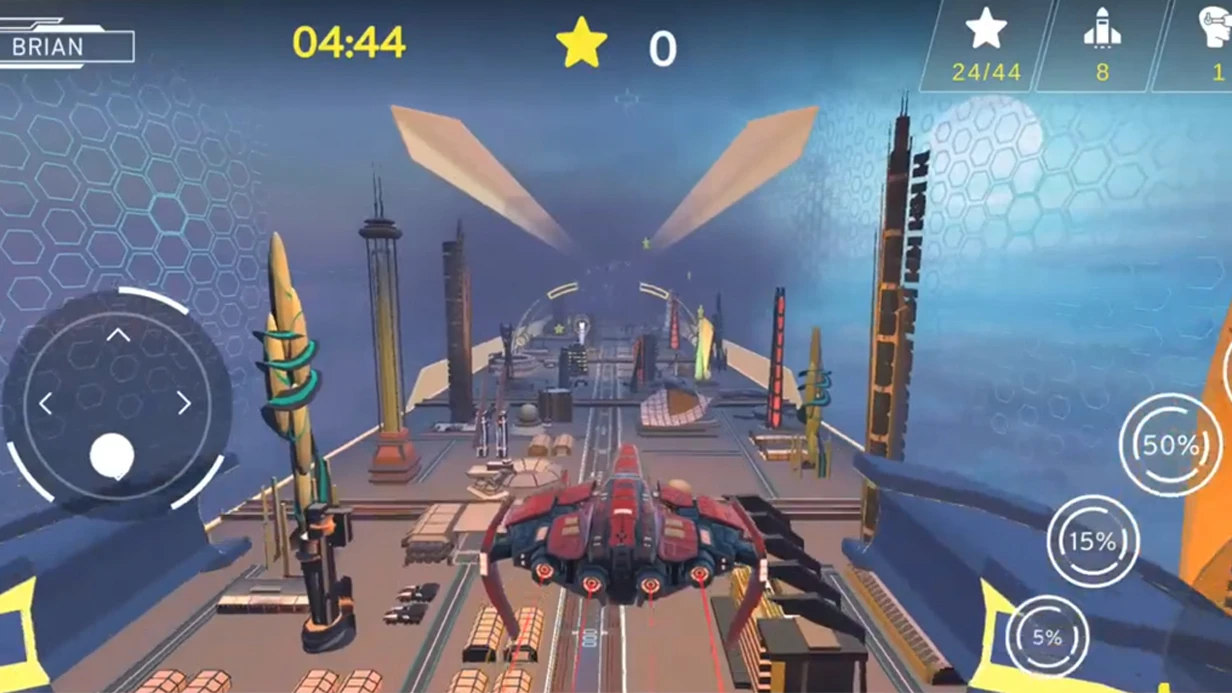
במקום דוכן סטטי עם עלונים — מסע וירטואלי דרך הרשת של הספק. מבקר הרכיב משקפי VR ונכנס לעולם שבו יכול היה לראות כיסוי ומהירות במיקומו, "לטוס" מעל העיר ולהשוות תעריפים בפורמט דמוי משחק. הפתרון עבד ללא התקנת אפליקציות — פשוט פותחים קישור מהטלפון.
התוצאה
במהלך חודש של סיבוב הקידום בשלוש ערים, יותר מ-30,000 איש ביקרו באזור. זמן האינטראקציה הממוצע היה 4 דקות, ובזמן זה אורח יכול היה לבדוק 2-3 תעריפים.
ההמרה לפעולת היעד — ביקור באתר הספק עם בקשה לחיבור — גדלה ב-27% בהשוואה לדוכן רגיל.
עובדי הספק קיבלו כלי מוכן למשא ומתן עם מפרסמים ושותפים. ואנחנו קיבלנו הזמנה חוזרת לעונה הבאה ותרחיש VR מורחב לאירועים מקוונים.
איך לבחור את פורמט ה-VR/AR הנכון למשימה שלכם?
בחירת הפורמט מתחילה לא בטכנולוגיה אלא בשאלה: מה המנויים, העובדים או השותפים שלכם צריכים לעשות אחרי האינטראקציה?
עבור חברת טלקומוניקציה, זה יכול להיות הדגמות תעריפים, הכשרת מתקינים, ויזואליזציה של כיסוי רשת או תמיכת לקוחות באפליקציה. התשובה קובעת איזה כלי יניב תוצאה מדידה ולא רק רושם מרשים.
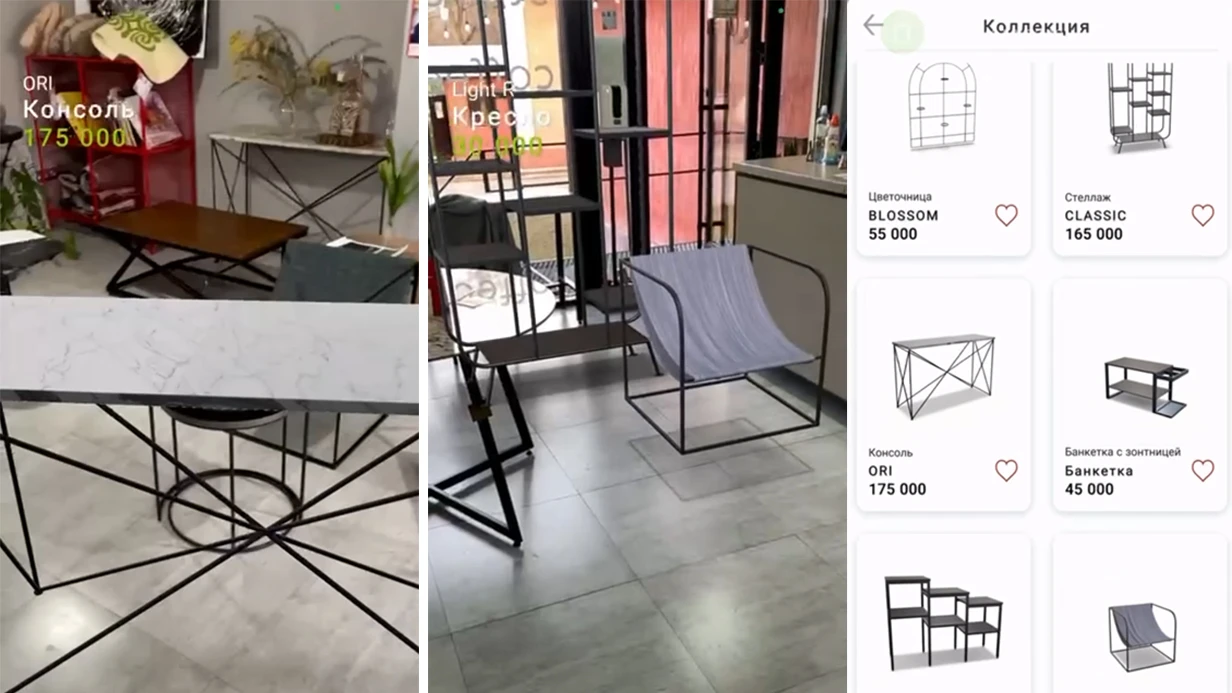
אם הקהל רחב ומרוחק — מנויים שמשתמשים בסמארטפונים ולא רוצים להתקין כלום — פורמט ווב הוא אופטימלי. המשתמש פותח קישור בדפדפן ומיד רואה מודל 3D של תוכנית התעריף, אזור הכיסוי או שכבת AR על הרחוב שלו.
חסם כניסה נמוך מגביר המרות: אין שלב הורדה, אין נטישות שנגרמות מאפליקציה "כבדה".
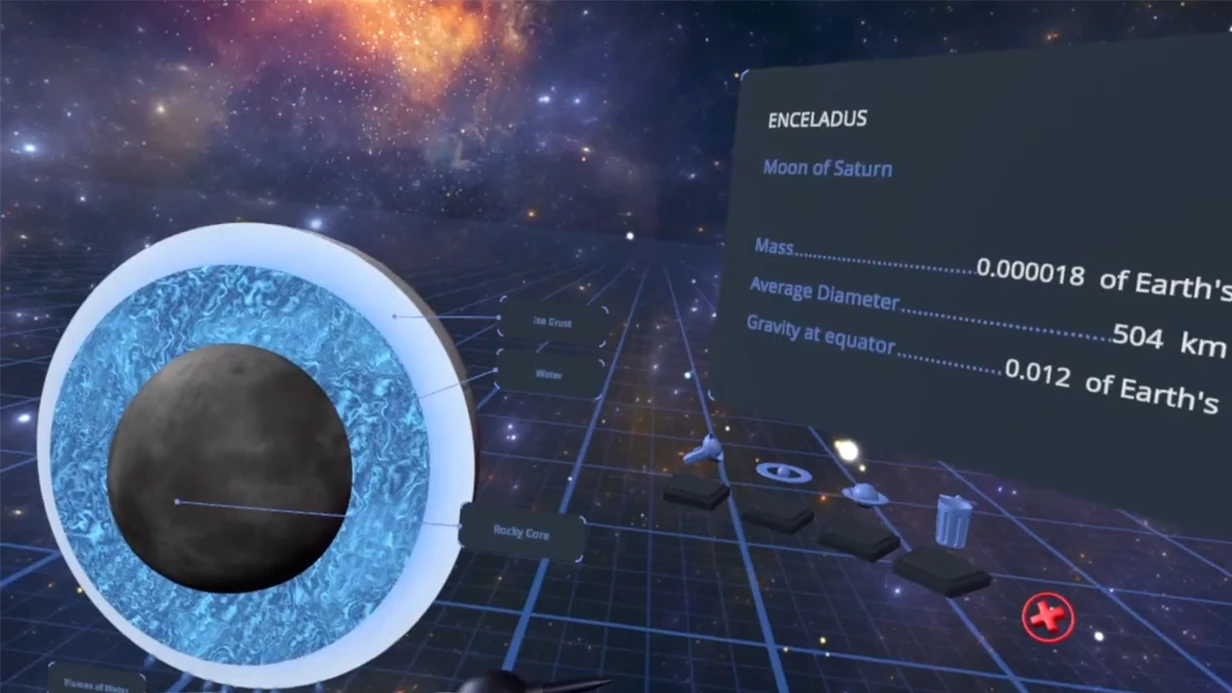
למשימות פנימיות שבהן חשובה טבילה מלאה — הכשרת עובדים על ציוד, תרגול תרחישי חירום על עותק וירטואלי של הרשת — טבילת VR מלאה היא הפתרון.
העובד ממוקם בסביבת אימון, עושה טעויות בבטחה וזוכר פעולות מהר יותר מאשר קריאת מדריך. זה מקצר את זמן הקליטה ומפחית טעויות במתקנים אמיתיים.
ואם מומחה כבר נמצא ליד הציוד וצריך רמז "כאן ועכשיו", מציאות רבודה היא יעילה. שכבת AR מציגה את דיאגרמת החיבור, פרמטרי הצומת או רצף הפעולות ישירות על מצלמת הסמארטפון או הטאבלט. לצוותי שטח זה מפחית זמן השבתה ומוריד פניות לתמיכה טכנית.
העצה המרכזית של מהנדס: קודם הגדירו את המטרה, אחר כך בחרו את הפורמט — לא להפך. תארו מי הקהל שלכם, באילו מכשירים הם משתמשים ואיזו תוצאה סופית אתם רוצים — חשיפה, הכשרה או פחות פניות לתמיכה.
אנחנו נתרגם את זה לשפת פתרונות ונציע את האפשרות שמבצעת את המשימה בעלות הפיתוח הנמוכה ביותר ובתועלת הגדולה ביותר לעסק שלכם.
חששות נפוצים של לקוחות והתשובות שלנו
אנחנו שומעים את אותן שאלות לפני כל פרויקט: "מה אם הטכנולוגיה לא תניב את התוצאה הצפויה?", "מה יקרה אם משהו ישתבש?", "מי אחראי על שגיאות?" אנחנו עונים בכנות ומכניסים את ההסכמות בכתב לחוזה — כך שאתם עובדים עם שותף צפוי, לא עם מגיד עתידות.
מה אם הטכנולוגיה לא מתאימה למשימה שלנו?
אף פורמט לא עובד "ישר מהקופסה" לכל משימה. לכן בהתחלה, אנחנו מבצעים הדגמת פיילוט: אנחנו מראים את הפתרון על התרחיש שלכם לפני שאתם משלמים על פיתוח בקנה מידה מלא.
אם הפיילוט מראה ש-VR/AR לא פותר את הבעיה, אנחנו מציעים פורמט חלופי — למשל, אינטראקטיב ווב או אפליקציה למובייל. אתם לא נשארים לבד עם הבעיה.
מה אם הציוד יתקלקל במהלך אירוע?
אנחנו מחזיקים ערכת גיבוי לכל פרויקט: הצד השרתי והמכשירים משוכפלים. טכנאי נמצא במקום מההתחלה ועד הסוף. במקרה של תקלה, ההחלפה אורכת לא יותר מ-10 דקות — אורחים לא ישימו לב להפרעה. זה כתוב בחוזה כערובה לפעולה רציפה.
אילו ערבויות אתם נותנים על התוצאה?
לפרויקטי טלקום, התוצאה המרכזית היא חשיפה יציבה ומעורבות קהל. אנחנו מגדירים KPIs: מספר סשנים, זמן אינטראקציה, חלק ההפעלות החוזרות. אם המדדים בפועל נופלים מהיעדים המוסכמים, אנחנו משפרים את התרחיש ואת הצד הטכני ללא תשלום.
בנוסף — אחריות משפטית על פספוס מועדים ותנאים נפרדים להחזר מקדמה במצבי כוח עליון.
מי אחראי אם יש באגים בפרויקט?
כל באג הוא באחריותנו, לא שלכם. אנחנו עובדים בשלבים: אחרי כל בלוק אתם מאשרים את העבודה, ורק אז אנחנו ממשיכים. בבדיקות הסופיות אנחנו מביאים משקיפים עצמאיים מהצוות שלכם.
אם מתגלה באג אחרי ההשקה, אנחנו מתקנים אותו במסגרת הזמן המוסכמת — בדרך כלל תוך 48 שעות. למקרים קריטיים — צוות כוננות לתגובה מיידית.
אנחנו לא מבטיחים את הבלתי אפשרי: לפני החתימה על החוזה, אנחנו מראים דוגמאות של פתרונות דומים, ואחרי ההשקה אנחנו נשארים זמינים. כך אתם מקבלים לא "נס" אלא כלי עובד עם סיכונים ברורים ואחריות קבועה.דונו במשימה שלכם עם מהנדס — קבלו תוכנית הטמעה
כדי שהטמעת VR/AR בטלקום תניב תוצאות מדידות, רכישת ציוד אינה מספיקה. צריך לזהות היכן הטכנולוגיה תקצץ עלויות או תגדיל הכנסות: הדגמות תעריפים, סימולטורים למתקינים, תמיכת לקוחות מרחוק. מהנדס מהצוות שלנו יעזור לכם למצוא את הנקודה הזו בשיחה אחת.
השאירו פנייה — נחזור אליכם תוך יום עסקים אחד, נקיים ייעוץ ונכין תוכנית הטמעה. תקבלו מסמך שתוכלו לדון בו פנימית עם הצוות שלכם ולהשתמש בו לתכנון תקציב.
אחרי הפנייה שלכם, תקבלו חמישה תוצרים מעשיים:
- חישוב עלות ולוחות זמנים לתרחיש שלכם.
- המלצות על פורמטים של WebVR לטלקומוניקציה: מה להשיק כפיילוט.
- תוכנית הטמעה עם שלבים, הרכב צוות ותחומי אחריות.
- הערכת סיכונים: היכן הטכנולוגיה תחזיר את ההשקעה והיכן היא עדיין לא נדרשת.
- קשר ישיר עם המהנדס שינהל את הפרויקט שלכם.
משם הכל הולך צעד אחר צעד: פנייה, 3-4 שאלות הבהרה, ייעוץ של 30 דקות ותוכנית תוך 2-3 ימים. אם צריך, נראה גרסת הדגמה על הנתונים שלכם. כך אתם מבינים את התקציב ואת לוחות הזמנים לפני שהעבודה בכלל מתחילה.
גם אם תחליטו לדחות את הפרויקט, מפת הדרכים להטמעה נשארת אצלכם. פשוט כתבו לנו דרך הטופס — מהנדס יחזור אליכם ביום עסקים ויבחן את המצב שלכם.