



משתתפים עוזבים אירועים מקוונים: כנס וירטואלי מציל את המצב
אירועים מקוונים מאבדים יותר ויותר משתתפים: אחרי עשרים הדקות הראשונות תשומת הלב נודדת, חלק מהאורחים משתיקים את המיקרופונים שלהם, ובסוף הפגישה נשאר רק מיעוט.
המארגנים משקיעים בתכנית, במרצים ובפרסום, אבל החשיפה והנאמנות בסופו של דבר נמוכות מהצפוי. שימור קהל הופך למדד ההצלחה המרכזי — וזה בדיוק המקום שבו סמינרים מקוונים ושידורים רגילים נכשלים.
הסיבה אינה תוכן חלש אלא הפורמט עצמו. מסך שטוח וצריכה פסיבית לא מאפשרים לאדם להרגיש חלק מהאירוע: הם מוסחים בקלות על ידי צ'אטים של עבודה, מדיה חברתית ומטלות בית.
עבור עסקים, התוצאה הזו משמעותה כסף אבוד, קשר מוחלש עם הלקוחות ותדמית מותג מטושטשת. אף אחד לא צופה בהקלטה לאחר מכן, והמשוב נשאר שטחי.
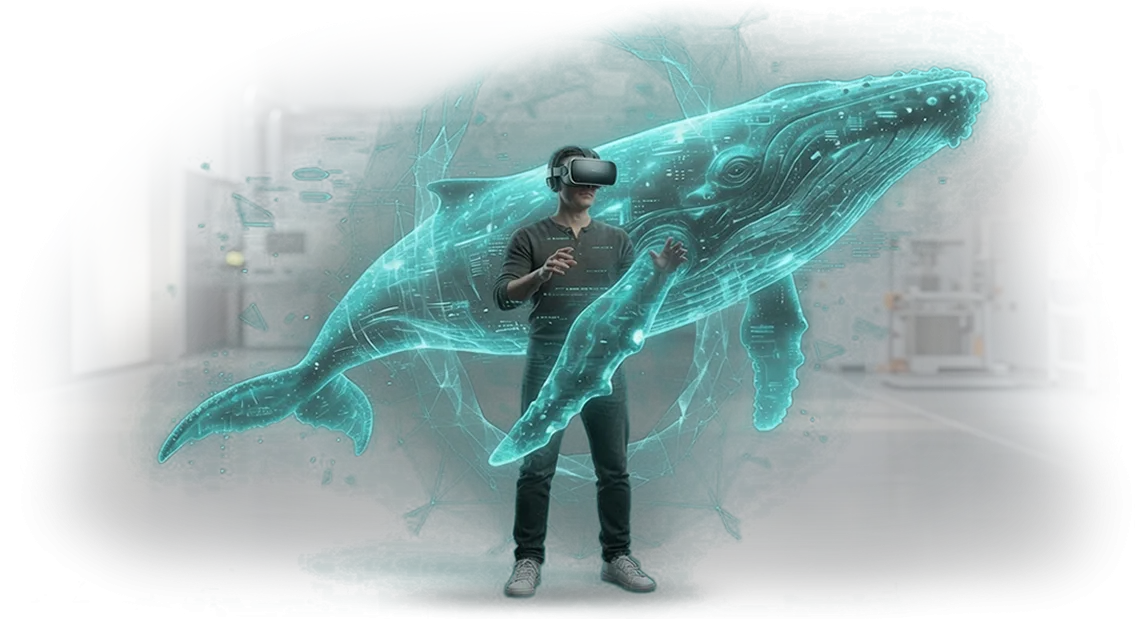
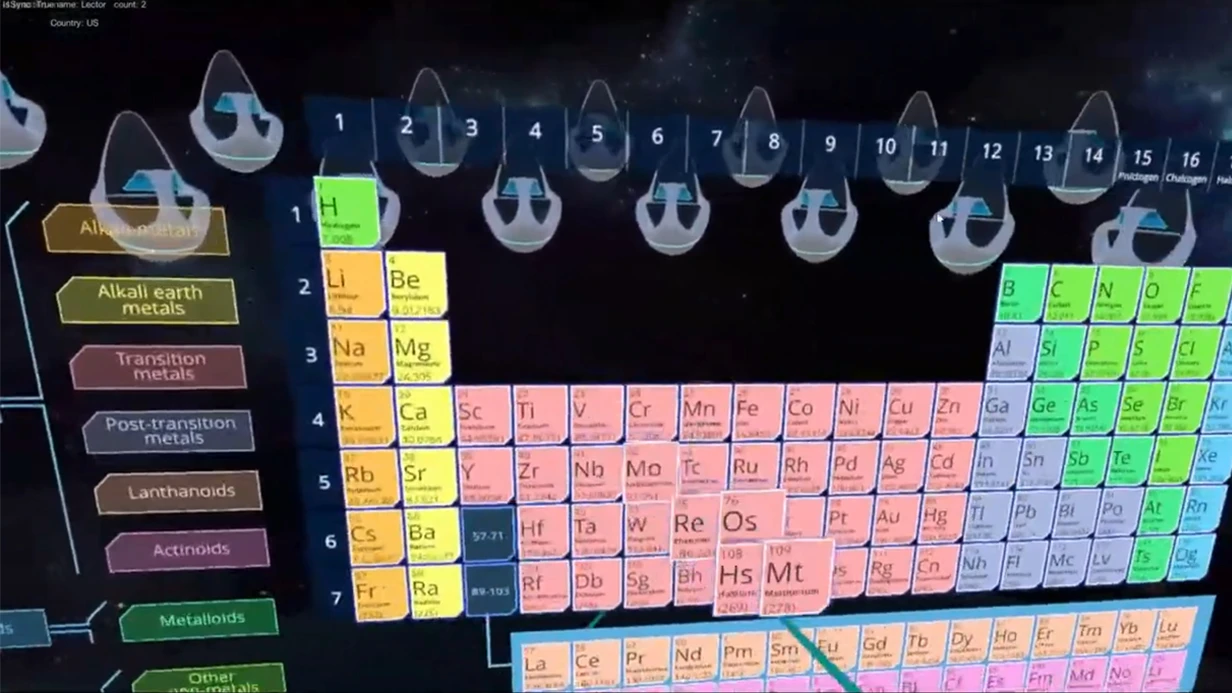
כנס וירטואלי פותר את הבעיה הזו באמצעות פורמט חווייתי. המשתתף נכנס למרחב שבו הוא יכול לנוע בחופשיות, לבחור אולמות, לגשת לאורחים אחרים וליצור קשרים שימושיים.
סוג כזה של השתתפות לוכד תשומת לב ויוצר תחושת נוכחות חיה ששום שידור לא יכול להציע. אדם מפסיק להיות צופה והופך למשתתף פעיל באירוע.
ההבדל המרכזי הוא התפקיד הפעיל של האורח: הוא לא צופה, הוא פועל. זה שומר על מעורבות המשתתפים לאורך כל התכנית וגורם להם לחזור למרחב בין הפגישות. זה יוצר תחושה של אירוע שכדאי להמליץ עליו — בדיוק כמו אחרי כנס לא מקוון. עבור המארגן, זה אומר יותר הרשמות חוזרות וקהל מעורב ונאמן.
היתרונות המעשיים הם מעורבות גבוהה יותר, פגישות ארוכות יותר ויותר אינטראקציה בין המשתתפים. אנשים נשארים עד הסוף, משתפים התרשמויות ודנים באירוע במדיה החברתית — מה שיוצר חשיפה נוספת ללא תקציב פרסום.
אנחנו עוזרים לארגן כנס וירטואלי ולהשיג את התוצאות האלה באירוע שלכם: מהרעיון ועד ההשקה ותמיכה במשתתפים.
מה אתם מקבלים: אורחים מעורבים, מיליוני צפיות ולידים
טכנולוגיות חווייתיות הופכות כנס מצפייה פסיבית לאירוע חי שבו כל משתתף בוחר את המסלול שלו: להיכנס לחדר ישיבות, לחקור אולם תצוגה וירטואלי או להצטרף לדיון.
חופש הפעולה הזה מגביר את מעורבות האורחים — הם נשארים על הפלטפורמה זמן רב יותר ולוקחים ממנה יותר ערך מאשר משידור רגיל.
המעורבות הזו מתורגמת לחשיפה לקהל. אורחים משתפים התרשמויות במדיה החברתית — צילומי מסך, סרטונים ופוסטים אוספים תגובות מחברים ועמיתים.
כל משתתף מביא איתו עוד כמה צופים, כך שצפיות האירוע ממשיכות לגדול גם אחרי שהשידור מסתיים, והמודעות למותג גדלה יחד איתן.
הפורמט החווייתי מספק גם תוצאה מעשית — לידים. הרשמת משתתפים, ביקורים בדוכנים ופעילות באולמות מראים מי באמת מתעניין במוצר שלכם. אתם רואים אילו תצוגות משכו תשומת לב ויכולים לשלוח הצעה מותאמת אישית למי שגילה עניין.
בסופו של דבר, הלקוח מקבל שלוש תוצאות מדידות: קהל מעורב, חשיפה מורחבת ובסיס קשרים מוכן. אנחנו מטפלים בצד הטכני — פלטפורמה, ציוד ותמיכה — כך שאתם יכולים להתמקד בתוכן התכנית ובהסכמים העסקיים.
פורמטים של כנס וירטואלי: בחרו מה שמתאים לתקציב ולמטרות שלכם
כל כנס וירטואלי פותר משימה עסקית משלו — משידור פשוט של מצגת ועד מרחב אינטראקטיבי מלא עם משאים ומתנים ונטוורקינג.
כדי לבחור פורמט, פשוט ענו על שאלה אחת: מה הכי חשוב לכם — חשיפה לקהל, הצגת מוצר או החזקת תשומת הלב של המשתתפים למשך כמה שעות?
הרכבנו שלושה פורמטים בסיסיים שנבדלים בעלות, בעומק המעורבות ובתוצאות. בתוך כל אחד מהם, אפשר להתאים פרטים ולשלב אלמנטים — כך שאתם מקבלים פתרון מותאם לתקציב שלכם, לא תבנית מוכנה מראש.
פורמטים בסיסיים של כנס וירטואלי
| פורמט | למי מיועד | מה הוא נותן ללקוח |
|---|---|---|
| סמינר מקוון | חברות שצריכות חשיפה רחבה ושידור חי | השקה מהירה, הגעה למאות משתתפים בערים שונות, איסוף קשרים ומענה לשאלות בצ'אט |
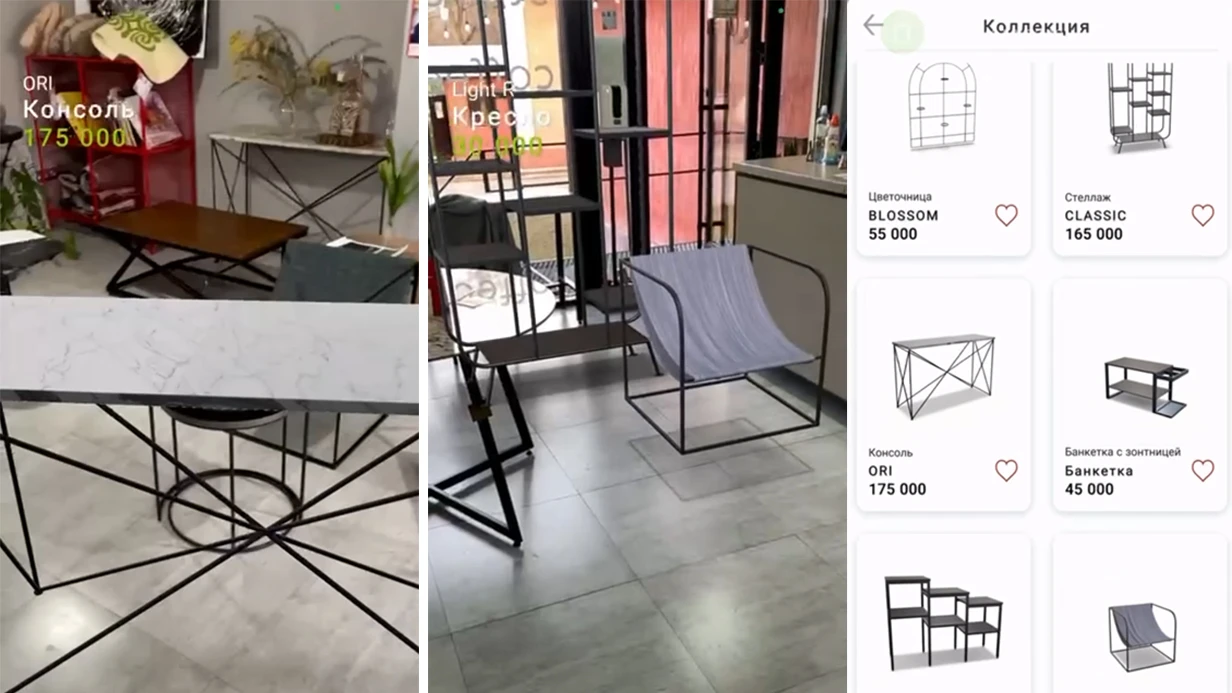
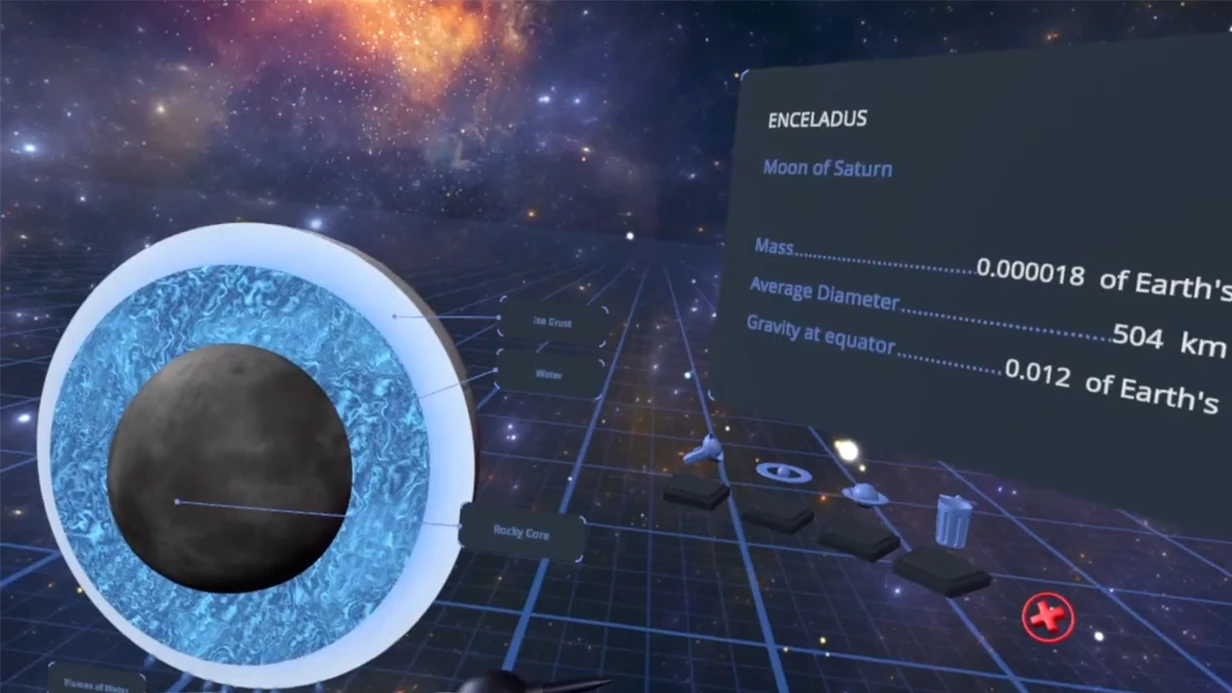
| דוכן וירטואלי | מותגים שמציגים מוצר או שירות בתערוכה | זמינות התערוכה מסביב לשעון, אינטראקטיביות עם מודלים תלת-ממדיים וסרטונים, בקשות ייעוץ ללא שכירת שטח |
| כנס במפתח מלא | מארגנים שצריכים ליצור אירוע חווייתי עם נטוורקינג | מרחב שלם: במה מרכזית, חדרי ישיבות, אזור נטוורקינג — משתתפים נשארים בתוך האירוע שעות |
כל אחד מהפורמטים האלה ניתן להרחבה: הוסיפו סקרים, מפגשי שאלות ותשובות, חדרי ישיבות וירטואליים או גיימיפיקציה. זה מאפשר לכם לפגוע במדדים עסקיים ספציפיים — מלידים והרשמות ועד ביקורים חוזרים בדוכנים.
אנחנו נייעץ לכם איזו אפשרות עובדת הכי טוב למשימה שלכם ונבנה כנס במפתח מלא: מהתסריט ועד לניתוח נתונים לאחר האירוע.
איך אנחנו עובדים: מהבריף ועד להשקת האירוע שלכם
כל אירוע וירטואלי הוא פרויקט נפרד, ולכן אנחנו לא מציעים פתרונות מוכנים. התהליך בנוי כך שבכל שלב אתם מבינים מה קורה, שולטים בלוח הזמנים ובתקציב, והתוצאה תואמת בדיוק לציפיות הקהל שלכם. כל הצוות עובד מרחוק, כך שהתהליך לא תלוי במיקום המשרד שלכם.
-
בריף והתעמקות במשימה. אנחנו מפרקים את מטרות האירוע, פרופיל האורחים, פורמט התכנית והמסרים המרכזיים להעברה למשתתפים.
בשלב הזה, אנחנו קובעים כיצד הפורמט הווירטואלי ישפר את האירוע שלכם — בין אם זה מצגות מרצים, תערוכת שותפים או נטוורקינג בין משתתפים.
-
תכנית, קונספט והערכת עלות. אנחנו מציעים את מבנה המתחם הווירטואלי — אולמות, במות, אזורי נטוורקינג, אלמנטים אינטראקטיביים. אנחנו נועלים לוחות זמנים, אבני דרך ותקציב כדי שתוכלו לקבל אישור פנימי מהצוות שלכם.
-
אישור תסריט ועיצוב. אנחנו מציגים אבות טיפוס ומודלים של מסכים מרכזיים ומסכימים על לוגיקת הניווט והסגנון החזותי. אתם עורכים שינויים לפני תחילת הפיתוח — זה מונע עבודה מיותרת ועיכובים.
-
פיתוח והעברת תוכן. אנחנו בונים את הפלטפורמה, מעלים חומרי מרצים ומגדירים את לוח הזמנים, השידורים והמודולים האינטראקטיביים. בדיקות פנימיות מתבצעות על מכשירים שונים כדי שאורחים לא יתקלו בבעיות טכניות.
-
השקת ניסיון וחזרה גנרלית. אנחנו עורכים חזרה מלאה איתכם: אנחנו עוברים על מסע האורח, בודקים כניסה, שידור, צ'אטים וכל המודולים. אתם מקבלים הוראות ברורות למשתתפים ורשימת בדיקה לצוות המארגן.
-
השקת האירוע ותמיכה. ביום האירוע, הצוות שלנו עוקב אחר ביצועי המערכת, פותר בעיות במהירות כשהן מתעוררות ועוזר למנחים ולמודרטורים. אתם מטפלים בתוכן ובתקשורת וכל הצד הטכני נשאר אצלנו.
-
תמיכה לאחר האירוע. אנחנו מוסרים ניתוח נתונים על נוכחות, פעילויות והתנהגות אורחים, וכן הקלטת האירוע אם צריך. אנחנו עוזרים בשיפורים ובפיתוח הפלטפורמה לאירועים הבאים שלכם — כך שכל השקה עוקבת פשוטה ויעילה יותר.
מה כלול במסירה: חבילה מלאה לאירוע שלכם
כנס וירטואלי הוא לא רק קישור התחברות או הקלטת שידור. זה אירוע לכל דבר עם תסריט, מעורבות ותוצאות מדידות. כדי שלא תצטרכו להרכיב פתרון בעצמכם, אנחנו מכינים חבילת מסירה אחת.
-
אפליקציה במפתח מלא: מתחם וירטואלי עם במה מרכזית, אזורי תקשורת ודוכני שותפים, מותאם לסגנון המותג שלכם.
-
ניהול אירוע: הצוות שלנו מריץ פגישות מתוזמנות, עוזר למרצים ולמשתתפים ועוקב אחר האירוע בזמן אמת.
-
תמיכה טכנית: ערוץ ייעודי למפעילים שפותרים במהירות בעיות אורחים — מהתחברות ועד שינוי אווטאר וירטואלי.
-
ניתוח אירוע: אחרי הסיום, אתם מקבלים דוח ברור: כמה אנשים השתתפו, כמה זמן הם נשארו על הפלטפורמה ואילו פגישות ודוכנים משכו את מירב העניין.
-
התאמת מותג: הצבעים, הלוגואים וניסוח הממשק שלכם — משתתפים רואים סגנון מוכר ומרגישים שהאירוע מתארח על ידי החברה שלכם, לא על ידי שירות חיצוני.
-
הוראות והדרכה: דפי עזרה למרצים, תסריט קצר למודרטורים ובדיקת חיבור לפני ההתחלה — הצוות והמרצים שלכם עולים לשידור בביטחון.
-
חומרים לאחר האירוע: לפי בקשה — הקלטות מצגות, שקופיות מרצים ונתונים לתקשורת המשך עם משתתפים.
אנחנו מוסרים את כל החבילה לפני מועד האירוע ותומכים בכם בכל שלב — מהחזרה ועד הדוח הסופי. כל מה שנשאר לכם הוא להזמין אורחים ולהכריז על התכנית.
מקרה בוחן: איך אירוע חווייתי חיזק מותג ואסף לידים
כנסים מקוונים הופכים לעתים קרובות לצפייה פסיבית בשקופיות: משתתפים מוסחים, עוזבים מוקדם, לידים הולכים לאיבוד. חוויה סוחפת במרחב וירטואלי לוקחת אירוע מפורמט של "הקשבה" לפורמט של "השתתפות". מקרה הבוחן שלנו לכנס וירטואלי עבור חברת הייצור TechnoProm מראה איך זה עובד.
החברה הייתה צריכה לרכז 1200 סוחרים ושותפים מאזורים שונים ללא מפגש לא מקוון. יצרנו מרכז תערוכה וירטואלי: משתתפים נעו בחופשיות בין האולמות, פתחו דוכנים, צפו בסרטונים ודיברו עם מנהלים בצ'אט חי.
במקום מליאות ארוכות — פגישות אינטראקטיביות קצרות שבהן כל אורח בחר את המסלול שלו.
מה הלקוח קיבל
בשעתיים, התקיימו 38 פגישות אינטראקטיביות, ודוכני אזור התערוכה נפתחו יותר מ-4200 פעמים. המדד העסקי המרכזי — 320 פגישות עם מחלקת המכירות שנקבעו ישירות בתוך הפלטפורמה.
86% מהמשתתפים נשארו עד הסיום, ואחרי האירוע החברה קיבלה עוד 470 בקשות עם גישה להקלטות המצגות.
תוצאות האירוע מדברות בעד עצמן: המותג התחזק באמצעות תדמית טכנולוגית מתקדמת, ולידים נכנסו ל-CRM עם תיוג שמראה עניין במוצר.
תוך חודש, הלקוח חתם על התקשרות חוזרת לעונה הבאה — המדד הטוב ביותר לערכה של חוויה סוחפת.
איך לבחור פורמט למשימה ספציפית?
כשהמשימה חורגת מסמינר מקוון קלאסי או שידור רגיל, פתרונות קונבנציונליים מפסיקים לעבוד.
פורמט הכנס הווירטואלי לאירוע לא סטנדרטי נבחר לא "מתוך קטלוג" אלא על סמך מטרות ספציפיות: מה צריך לקרות למשתתף — לרכוש ידע, לפגוש עמיתים, לבדוק מוצר או לקבל החלטת רכישה. הדרישות הספציפיות האלה קובעות את התסריט, מודל האינטראקציה והמימוש הטכני.
אנחנו מתחילים בראיון קצר כדי להבין ציפיות, מספר משתתפים, רמת המעורבות שלהם ותרחישים מרכזיים.
לחלק מהמשימות, אולם וירטואלי עם מצגות ותרגום סימולטני עובד; לאחרות, כמה חדרי נטוורקינג מקבילים; ולאחרות עדיין, תערוכה אינטראקטיבית עם דוכנים בודדים.
כאן נולדת הגישה המותאמת: אנחנו לא מציעים תבנית מוכנה אלא בונים פורמט סביב הצרכים הספציפיים שלכם, תוך התחשבות בקהל ובאילוצים טכניים.
ברגע שהאפשרויות מוכנות, אנחנו עוברים איתכם עליהן במונחים פשוטים: מה המשתתף יחווה בכל אחת מהן, איך תעבוד ההרשמה, כמה זמן לוקח הניווט ואילו מנגנונים עוזרים להחזיק תשומת לב.
זה מאפשר לכם להחליט לפני ההשקה במקום לשנות את האירוע ברגע האחרון. אנחנו גם מבהירים תחומי אחריות: מה אנחנו עושים, מה נדרש מהצוות שלכם וכמה מהר אפשר לבצע עריכות.
הכלל המרכזי למשימה לא סטנדרטית הוא לא להתאים את המשימה למוצר מוכן אלא לבחור טכנולוגיה לתסריט שלכם. לכן אנחנו מעצבים קודם את מסע המשתמש ורק אחר כך קובעים איזו פלטפורמה וכלים יספקו אותו ללא תקלות.
הגישה הזו כבר עזרה להריץ כנסים ארגוניים עם אלפי משתתפים, אירועים סגורים להנהלה הבכירה וימי הדגמת מוצר שבהם כל מבקר שלישי השאיר בקשה לדיון המשך.
אם אתם לא בטוחים באיזה פורמט לבחור, בואו עם תיאור המשימה ולא עם דרישה לטכנולוגיה ספציפית.
נסתכל על המטרות, הקהל והתוצאה הצפויה, נציע 2–3 אפשרויות ריאליות עם הערכה של החוזקות של כל אחת, ונעזור לכם לבחור את זו שמספקת ערך מרבי למשתתפים ולעסק שלכם.
חששות נפוצים לפני הזמנה: אנחנו עונים ומפיגים פחדים
כל לקוח שמריץ כנס וירטואלי בפעם הראשונה דואג לאותם דברים: מה אם הכל יקפא באמצע מצגת, משתתפים לא יוכלו להתחבר וההקלטה תלך לאיבוד? אלה פחדים נורמליים — אחרי הכל, מוניטין המותג וכסף על הפרק.
אנחנו שומעים אותם מכל לקוח שני, אז ריכזנו תשובות לשאלות המפתח לפני שחותמים על החוזה.
מה אם הפלטפורמה לא תעמוד בעומס ביום הכנס?
אנחנו עורכים בדיקות עומס לפני ההשקה, המדמות את מספר החיבורים המקבילים בשיא. ביום האירוע, אנחנו מזמינים קיבולת שרתים עם מרווח ביטחון, ומהנדס ייעודי עוקב אחר השידור. אם משהו משתבש, המעבר לערוץ גיבוי אורך דקות, לא שעות.
לקוחות לא מקבלים מוצר מוכן אלא פתרון מנוהל: אנחנו נשארים בקשר לאורך כל הכנס ועוקבים אחר היציבות בזמן אמת.
עד כמה מאובטחים נתוני המשתתפים והקלטות הפגישות?
הגישה לכנס מוגבלת: אנחנו משתמשים בקישורי הזמנה אישיים ובהרשאות מבוססות תפקיד — מודרטור רואה דבר אחד, משתתף דבר אחר. הקלטות פגישות מאוחסנות על שרתים מאובטחים, וההעברה עוברת בערוצים מוצפנים.
אנחנו פועלים בהתאם לתקנות הגנת מידע אישי ולא משתפים מידע עם צדדים שלישיים.
לפי בקשה, אנחנו מספקים את מדיניות עיבוד הנתונים שלנו ומוכנים לחתום על הסכם סודיות (NDA) — זה נוהג סטנדרטי בפרויקטים הארגוניים שלנו.
מי אחראי אם משהו משתבש?
כל ההתחייבויות מפורטות בחוזה: לוחות זמנים, היקף עבודה ורמת זמינות השירות במהלך האירוע. אנחנו מבטיחים יציבות פלטפורמה — אם מתרחש כשל באשמתנו, אנחנו מפצים על נזקים לפי תנאי ההסכם. אלה לא רק מילים אלא סעיפים כתובים.
לאירועים גדולים, אנחנו מתחייבים בנוסף לזמן תגובה לתמיכה — בדרך כלל לא יותר מ-5 דקות לבקשה קריטית.
האם אתם מבטיחים יציבות, או שזה מזל?
יציבות בנויה על מערכות, לא על מזל. אנחנו משתמשים בציוד מקצועי ובכלים מוכחים שנבדקו בעשרות פרויקטים. לפני הכנס, אנחנו עורכים חזרה מלאה עם המרצים שלכם כדי לכוונן כל מעבר והחלפה. אתם מקבלים לא רק טכנולוגיה אלא צוות שאחראי לתוצאה.
ביום הכנס, מהנדס ומפיק יהיו זמינים — שניהם פותרים כל בעיה במהירות כדי שתוכלו להתמקד בתוכן ולא בטכנולוגיה.
אנחנו לא מחכים שהפחד יהפוך לבעיה. ספרו לנו על האירוע שלכם בבריף חינמי — נראה לכם איך אנחנו מכסים כל אחד מהסיכונים האלה לפורמט שלכם.מוכנים להתחיל את הפרויקט שלכם? קבלו ייעוץ והערכת עלות
התחלת פרויקט פיתוח WebVR לכנס וירטואלי קלה יותר ממה שזה נראה.
אתם לא צריכים להבין בטכנולוגיה או לבזבז זמן בחיפוש ספקים: פשוט השאירו בקשה, ואנחנו נטפל בזה משם — מהרעיון ועד להשקת פלטפורמה שבה יתאספו אלפי משתתפים.
כך נראים הצעדים הבאים אחרי שתפנו אלינו:
- ייעוץ: אנחנו מנתחים את המשימה, הקהל ומטרות האירוע שלכם ומייעצים איזה פורמט כנס וירטואלי מתאים לכם.
- הערכת עלות ולוח זמנים: אנחנו מרכיבים הערכה שקופה לתקציב שלכם, ללא עמלות נסתרות או כוכביות באותיות קטנות בחוזה.
- תכנית יישום: אנחנו פורסים שלבי עבודה, הרכב צוות ואבני דרך כדי שתבינו מה קורה בכל שלב.
- הדגמת יכולות: אנחנו מציגים דוגמאות של פלטפורמות דומות כדי שתוכלו לראות מראש איך הכנס שלכם ייראה ויפעל.
- תמיכה בכל שלב: מהמיתוג של המרחב הווירטואלי ועד תמיכה טכנית ביום האירוע.
- פתרון במפתח מלא: אתם מקבלים פלטפורמה עובדת, הדרכת צוות ותמיכה במהלך האירוע החי — הצוות שלכם מתמקד בתכנית, לא בטכנולוגיה.
אנחנו עובדים מרחוק, כך שאתם יכולים להתחיל פרויקט מכל מקום בעולם. השאירו בקשה — נחזור אליכם תוך יום עסקים אחד עם תשובות לשאלותיכם והצעות ראשוניות.